






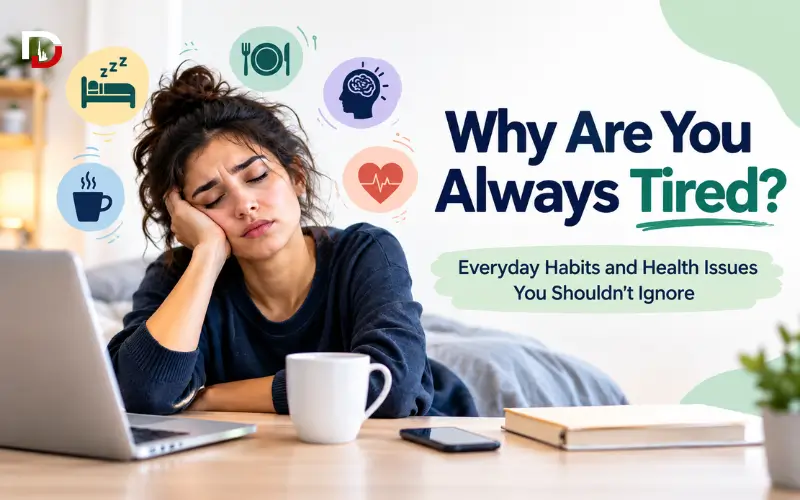
Have you ever had seven or eight hours of sleep, then when you woke up, felt like you didn’t sleep at all? Maybe you’re having trouble getting through the afternoon, or you need more coffee before you go to work. So maybe you need more coffee before work, or you’re having trouble getting through the afternoon. It’s normal to feel tired now and then, but if it starts to be a habit, it’s important to take note.
The demands of work, late hours, stress, and erratic eating habits can all leave you feeling depleted. However, sometimes the cause of tiredness is less apparent. Your energy levels can be impacted even if you feel that you’re taking care of yourself well, due to poor sleep, iron deficiencies, thyroid issues, es and more.
It’s tempting to look for a quick fix. Some people try new supplements, energy drinks, or wellness treatments without first understanding why they feel exhausted. Others explore options such as IV therapy at home, hoping that an infusion might help them feel better. However, the right approach depends on the cause of the problem, and an infusion isn’t a universal solution for low energy.
Why Do You Feel Tired Even After a Full Night’s Sleep?
While the amount of sleep is important, it’s not the only aspect of sleep to consider. You may wake up several times at night, go to bed at varying times each night, or experience a sleep issue that leaves you feeling unrefreshed in the morning.
Stress can also make a difference. With work deadlines, family obligations, and financial needs on your mind, it might not be easy to get a proper night’s rest.
Some other common causes of fatigue are:
- Low quality of sleep: You can sleep long enough but not get a restful sleep.
- Too few meals: Having too few meals or too few different foods can be a challenge in meeting nutritional needs.
- This is because dehydration can cause a headache, dizziness, and fatigue.
- Sitting too much: You may become less active throughout the day and not sleep well.
- Fatigue may result from medical conditions such as anemia, thyroid disorder, diabetes or some infections.
The first thing to do is to observe the pattern. Do you feel tired primarily after a late night or tired despite getting a good sleep? This is one way to determine if lifestyle modifications are likely to suffice or if you should consult a health care provider.
Can Your Daily Routine Be Draining Your Energy?
The things we do that make us tired sometimes are the things we don’t notice.
Social media can send you on a downward spiral in a scroll of a few hours that can turn into a lost hour of sleep late at night. Often, missing breakfast leads to a lack of concentration later in the day and hunger. If your work schedule includes lunch breaks, your lunch hour may be the longest part of your day that you spend at your desk without getting up from your seat.
It’s not necessary to make everything different. Some small adaptations can help get things done a little more easily.
Attempt to maintain the same times for sleep and waking up. Aim for the same bedtime and morning time, even on weekends. Take breaks for short movements when working for a prolonged period. Have well-balanced meals regularly – don’t skip sleep to make up for it by drinking more caffeine.
It’s also good to allow yourself sufficient time to unwind before retiring to sleep. Reading, listening to relaxing music or planning for the next day can help to unwind from work.
These habits are not going to cure all types of fatigue, but they may help you get a better idea of whether your lifestyle is actually causing your fatigue.
Could a Nutritional Deficiency Be the Reason?
There are several nutrients that your body requires to be able to function correctly. If you are lacking in some nutrients, you might notice symptoms, such as weakness, low energy, or trouble concentrating.
Fatigue is one of the many symptoms of iron deficiency, which may result in anemia. Vitamin B12 deficiency may also be a cause of fatigue and can lead to other symptoms. But if you are fatigued, it does not tell you what nutrient(s) you are lacking.
Don’t begin multiple supplements based on information from the web. Extra vitamins may not be beneficial, and certain vitamins can be harmful if consumed in excess.
If you are feeling tired, your doctor may examine your diet, symptoms, medical history, and medications. If necessary, blood tests might be ordered to determine if there are any causes.
Eating a balanced diet that provides vegetables, fruit, whole grains, protein, and healthy fats can help as a good way to start. Once a deficiency has been diagnosed, the correct treatment will depend on the nutrient deficient and the cause of the deficiency.
Is Dehydration Making You Feel Exhausted?
Everyone’s fluid requirements are different. Many factors can affect your fluid needs, including the weather, your level of activity, diet, and health status.
Staying outside or exercising in hot weather can lead to fluid loss due to sweating, especially in Dubai’s hot climate. Without adequate replenishment of that fluid, you can feel thirsty, have a dry mouth, a headache, tiredness, and/or darker urine.
Sometimes, drinking water is sufficient for mild dehydration. If used correctly, ORS may be useful in some circumstances, such as when diarrhea causes loss of fluids.
When someone feels tired, they may want to think about getting intravenous fluids. But IV fluids are commonly administered if there is a medical need, e.g., if the person is very dehydrated or cannot drink enough fluids by mouth. These are not a common remedy for fatigue.
However, there are also potential risks associated with IV treatment such as infection, irritation around the vein, and problems with administering the wrong or inappropriate amounts and types of fluids. A qualified health care professional should determine if it is needed prior to arranging treatment.
When Should You Speak With a Doctor About Fatigue?
Everybody has days when they need a rest. When fatigue persists, worsens, or begins to interfere with usual activities is a concern.
You might find that when you focus at work, it is hard, no longer enjoying of your activities, or need to get much more sleep than normal. If these persist, it makes sense to see a doctor, because you are not getting enough sleep!
Your doctor or other health care provider might ask you questions about your health, such as what you eat, how much stress you have, your sleeping patterns, medicines, es and any other symptoms you are having. Based on your case, they may suggest blood tests or other tests.
Special care must be taken if fatigue is accompanied by unexplained changes in weight, fever that doesn’t go away, or increased thirst or shortness of breath when doing daily activities.
If the chest pain is severe, it is hard for the person to breathe, the person faints, becomes suddenly confused or suddenly weak, they need urgent medical attention. They don’t mean that it’s normal tiredness.
Why Children May Seem Tired Too
Just like adults, children can have a tired day, particularly if they come out of school after a lengthy week on the books, have a routine change, or have a bad night’s sleep. But if tiredness persists, it may be due to sickness, malnutrition, emotional stress, or other issues.
Parents might observe their child being less interested in playing, struggling to focus, changes in sleep habits, or loss of normal appetite.
If these changes continue or have no clear explanation, a healthcare professional can help assess what’s happening. For families who prefer medical advice at home pediatrician can assess a child’s symptoms, discuss relevant health history, and advise whether further examination or testing is needed.
Giving children adult supplements or wellness infusions just because they appear to be tired is not a good idea. There are medical needs specific to children, and treatment methods should be based on a suitable assessment.
Immediately call emergency medical help if a child is difficult to wake, suffers from serious breathing problems, looks very dehydrated, or suddenly becomes confused.
Simple Ways to Feel More Energized During the Day
It’s not necessary to have a costly wellness regimen to include looking after your energy levels. But the very best changes are usually the ones you can do regularly.
- Start with sleep. Allow plenty of sleep and maintain a regular sleep schedule.
- Eat at regular intervals. You can get all the nutrients you need by eating a well-balanced meal, rather than junk food or energy drinks.
- Move a little more. Taking a short walk or a few minutes’ break from sitting will help mitigate the effects of prolonged sitting.
- Drink liquids all day. Listen to your thirst and vary your water consumption depending on the weather and activity.
- Take time to relax. Being always “on call” for work and messages can make it challenging to relax. Set some evening limits.
- Do not wait to get help for continued symptoms. If you don’t see an improvement in your energy after making some reasonable changes, talk to a health care professional about it.
While fitness watches and sleep tracking apps can make you aware of patterns, they can’t diagnose you. Follow them; don’t assume that all is well.
Choosing Wellness Treatments Carefully
There are many products available in the wellness market that claim to provide a boost of energy, sleep aid, and overall health. However, there are some treatments that are beneficial for certain medical conditions, and while there are some quick fixes that are advertised as such, this should be taken with a grain of salt.
Before selecting a treatment, ask about what it is meant to treat, evidence for its use, risks, and if there is an easier treatment that works just as well.
AIMS Healthcare offers home medical services in Dubai, assisting people in looking into appropriate healthcare choices according to their requirements. If fatigue continues, a medical evaluation may be needed to determine if additional evaluation or treatment is necessary.
Sometimes, a simple solution is enough to make you feel better. Healthy sleep, nutrition, healthy eating, and regular exercise are vital to support everyday wellbeing. If fatigue persists, it is better to know the cause rather than simply trying to make a regular succession of unsuccessful attempts at treatment.
Must Explore: Al Khail Mall Dubai
Frequently Asked Questions
1. Why am I tired even after sleeping for eight hours?
Fatigue can be caused by poor sleep, stress, poor sleep patterns, nutrient depletion, and illness. If you have frequent fatigue, talk to your health care professional.
2. Can dehydration cause low energy?
Yes. Tiredness, headache, dizziness, and thirst are all symptoms of dehydration. A mild case of dehydration can be treated with drinking water, and more severe dehydration may need assessment by a medical expert.
3. Is IV therapy suitable for everyday tiredness?
IV therapy isn’t a general solution for fatigue. It may be suitable for some medical conditions, but a cause for ongoing tiredness should be investigated first before doing so.
4. Should I take vitamins if I feel tired all the time?
Not necessarily. Fatigue doesn’t necessarily indicate a vitamin deficiency. Talk to a health care professional to decide if there is a need for testing or supplements.
5. When should a tired child be assessed by a doctor?
Schedule a medical evaluation if your child is consistently fatigued, has unexplained sleepiness, or has other worrisome symptoms. If it is hard to wake, there are severe breathing issues, or symptoms of severe dehydration, urgent medical treatment is required.