




Large SUVs are designed to haul heavy loads, undertake long journeys, and operate with powerful engines, but their size also places a significant strain on the vehicle’s electrical system. Their starting and charging systems must work harder to supply the electricity required for the engine and the various onboard electrical features.
Large SUVs can place extra stress on their starting and charging systems because they often feature large engines, heavy electrical loads, powerful starter motors, and other power-hungry components.
Frequent short trips, heavy air conditioning use, traffic, and extreme heat can add even more pressure to the battery and alternator.
Key Reasons Large SUVs Place More Demand on Starting and Charging Systems
Large SUVs need a strong electrical supply from the moment the driver starts the engine. The battery must provide enough current to turn the engine, while the alternator must replace the power used during starting and keep the vehicle’s electrical systems running.
When the vehicle has a large engine and many electrical features, both systems have more work to do. Over time, this extra demand can expose a weak battery, worn starter, or charging problem sooner than it might appear in a smaller vehicle.
1. Larger Engines Need More Starting Power
A large SUV often has a bigger petrol or diesel engine than a small car. Turning the engine during start-up can require a high amount of electrical current, especially when the engine is cold or has been sitting for several hours.
The starter motor must work hard to rotate the engine until it starts running on its own. A healthy battery can provide this power without a major voltage drop. However, an ageing battery may struggle to deliver enough current, causing slow cranking or repeated starting attempts.
2. Heavy Vehicles Can Increase Starter Motor Load
The size and weight of an SUV can also affect the starting system. A heavier vehicle does not directly make the starter motor turn the vehicle itself, but large SUVs are commonly paired with larger engines and stronger starting components.
These parts can draw significant current during each start. If the battery has lost part of its capacity, the starter may receive less power than it needs.
This can make the engine turn slowly and place more stress on the starter motor. Repeated difficult starts may shorten the life of starting components.
3. More Electrical Features Increase Power Demand
Large SUVs often come with many electrical features that are not found in basic vehicles. These can include large infotainment screens, electric seats, heated or cooled seats, multiple cameras, parking sensors, powered tailgates, advanced lighting, and driver assistance systems.
Each feature uses some amount of electrical power. When several systems operate at the same time, the alternator has to produce more electricity to keep up.
If the alternator or battery is already weak, the extra demand can lead to low voltage and electrical problems.
4. Strong Air Conditioning Adds More Electrical Demand
Air conditioning is used heavily in hot climates, and large SUVs often have powerful climate control systems for several areas of the cabin. Electric fans, control units, cooling systems, and other related parts all add to the vehicle’s power needs.
When the engine is running, the alternator must help supply this demand while also charging the battery.
During very hot weather, the system may work for long periods without much rest. This can place more load on the charging system and make battery problems easier to notice.
5. Stop-and-Go Traffic Makes Starting More Frequent
Busy city roads can be hard on a vehicle’s starting and charging systems. A large SUV may spend a long time moving slowly, stopping at signals, and starting again. Vehicles with start-stop technology can restart the engine many times during a single journey.
Each restart uses battery power, which the alternator then needs to replace. If the vehicle mainly makes short trips, the charging system may not have enough time to fully restore the power used during starting. Over time, this can leave the battery with a lower state of charge.
6. Short Trips May Not Fully Recharge the Battery
Starting the engine uses a large amount of battery energy for a short period. The alternator normally replaces this energy while the vehicle is running. However, a short journey may end before the battery is fully restored, especially when many electrical features are being used.
If this happens repeatedly, the battery can remain partly charged for long periods. This may reduce its ability to provide strong starting power. Drivers who mostly use their large SUV for short city trips should pay closer attention to battery condition and charging performance.
7. Extreme Heat Can Affect Battery Performance
High temperatures can be especially hard on car batteries. Heat can speed up internal battery wear and reduce the battery’s useful life. In places such as Dubai, the battery may be exposed to very high temperatures while the vehicle is parked outside.
Once the engine starts, the charging system also has to work in a hot engine bay. A battery that is already ageing may lose its ability to hold and deliver power properly. Regular testing can help identify a weak battery before it causes a starting problem.
8. The Alternator Has to Support More Systems
The alternator is responsible for producing electricity while the engine is running and helping recharge the battery. In a large SUV, it may need to support many systems at once.
Air conditioning, lights, entertainment systems, sensors, electric motors, and safety equipment can all increase the electrical load. When demand becomes high, the alternator has to work harder to maintain the correct voltage.
A worn alternator may struggle under this load, leading to dim lights, battery warnings, or electrical problems while driving.
9. Weak Batteries Can Make Other Problems Look Worse
A weak battery can create symptoms that appear to come from other parts of the vehicle. For example, a driver may notice warning lights, slow electronic systems, or unusual messages after starting the SUV.
These problems may be linked to low voltage rather than a failure of each system. If the battery cannot maintain stable power during starting, different control units may record faults.
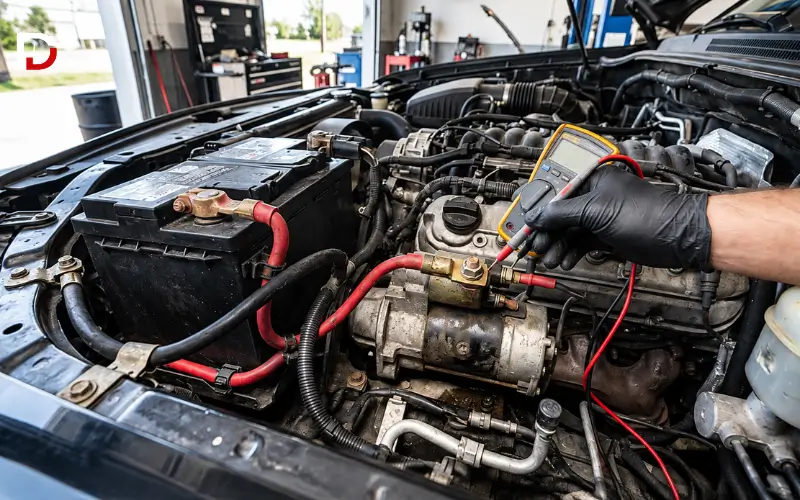
This is why testing the battery and charging system should be one of the first steps when an SUV develops several electrical problems at the same time.
When Should You Consider a Battery Change?
A battery may need replacement when it has become too weak to provide reliable starting power or when testing shows that its capacity has dropped significantly.
Recharging can help when a good battery has simply been discharged, but it will not restore a battery that has reached the end of its useful life. If the SUV regularly needs jump-starts, struggles to start, or shows low battery warnings, drivers should have it tested.
If your SUV needs a car battery change in Dubai, Battery Zone UAE is a trusted service provider that can check your battery, identify the cause of the problem, and help you choose a suitable replacement when needed.
Also Explore: Sharjah Muroor Traffic Department
Conclusion
Large SUVs place extra demands on their starting and charging systems because they combine powerful engines with heavy electrical loads. Large starter motors, frequent restarts, robust air conditioning, advanced electronics, short trips, and high temperatures can all increase the strain on the battery and alternator.
Warning signs such as sluggish starting, dim lights, battery alerts, or frequent jump-starts should not be ignored. Checking the battery, alternator, starter, and electrical connections can help identify issues early.