

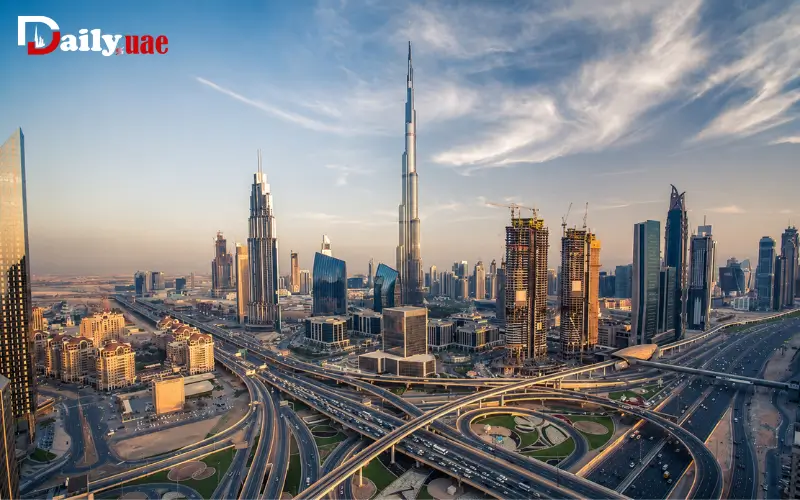
Dubai has evolved from a regional trading port into one of the world’s most international cities. It accommodates millions of citizens worldwide and is filled with opportunities to make a living here, both in terms of its economic setting and the infrastructure, security, and lifestyle it provides to its residents, which should continue to draw many new citizens each year.
For many of the immigrants who enter Dubai, it is more than just a job opportunity. It provides exposure to global business, quality health care facilities, modern housing communities, world-class transportation, and a multicultural society with people of all backgrounds living and working together.
But moving to Dubai isn’t just about getting a job or eligibility for a Dubai residence visa. Knowing the cost of housing, the educational system, even the health care and the types of transportation available, as well as local rules and regulations, is important to make the transition a success.This guide explains the key aspects of living in Dubai in 2026, helping prospective expats make informed decisions before moving.
Quick Facts About Living in Dubai
| Category | Information |
|---|---|
| Country | United Arab Emirates (UAE) |
| Emirate | Dubai |
| Official Language | Arabic |
| Widely Spoken Language | English |
| Currency | UAE Dirham (AED) |
| Time Zone | Gulf Standard Time (GST) |
| Main Airport | Dubai International Airport (DXB) |
| Public Transport | Metro, Bus, Tram, Taxi, Marine Transport |
| Residency Requirement | Valid UAE residence visa |
| Healthcare System | Public and private sectors |
Why Expats Choose Dubai
Dubai continues to be a popular place for foreign professionals to reside. One of the major reasons is that it is a region meeting the three continents of Europe, Asia,and Africa. Various large and multi-national firms have regional offices in Dubai offering jobs in finance, tech, health, logistics, construction, hospitality, and aviation, as well as professional services.
Another huge asset is the city’s modern infrastructure. The region’s most advanced systems are in the road and highways sector, the airport sector, public transportation, the health care sect,,or and the telecommunications sector.It’s also a safety issue. The steady improvement in the safety and security of Dubai is driven by robust legislation, cutting-edge security measures, and extensive measures taken to ensure public safety.
Many expatriates find that this means that they don’t have to pay personal income tax on their salary, making the emirate even more appealing.
Residency and Visa Options
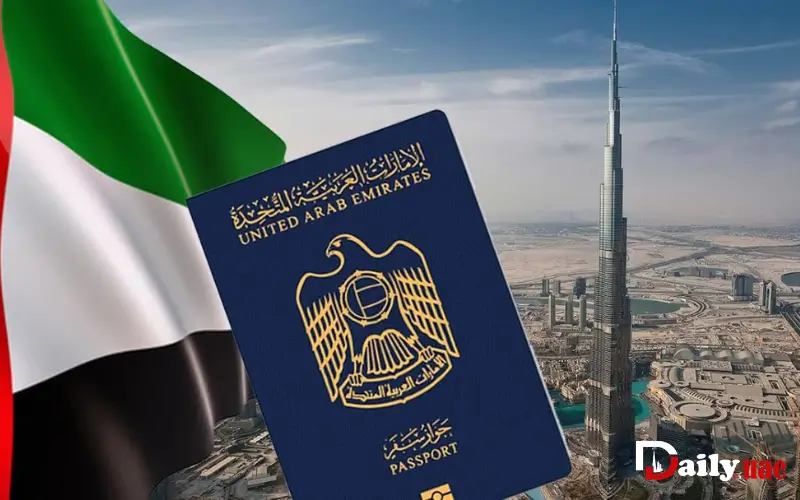
Dubai offers residence visas to foreign nationals as a rule in order to allow them to work and reside in the region for the long haul.The majority of expatriates come to the UAE on an Employment Sponsorship Visa. Under this scheme, the employer will sponsor the residence visa of their employee and also sponsor their work permit as well. The person is approved and can lawfully live and work in the country.But it’s not just employment visa options anymore. In recent years, the UAE has grown its residency options greatly.
There are a number of ways entrepreneurs can be accepted, and investors can be accepted through investing in qualifying stocks. There are several ways to get accepted as a business owner and to get accepted as an investor. Specialized long-term residency programs may be applicable, such as the Golden Visa, to highly skilled professionals.Retirement visas are also available to eligible persons who qualify based on a set financial criterion.
Cost of Living in Dubai
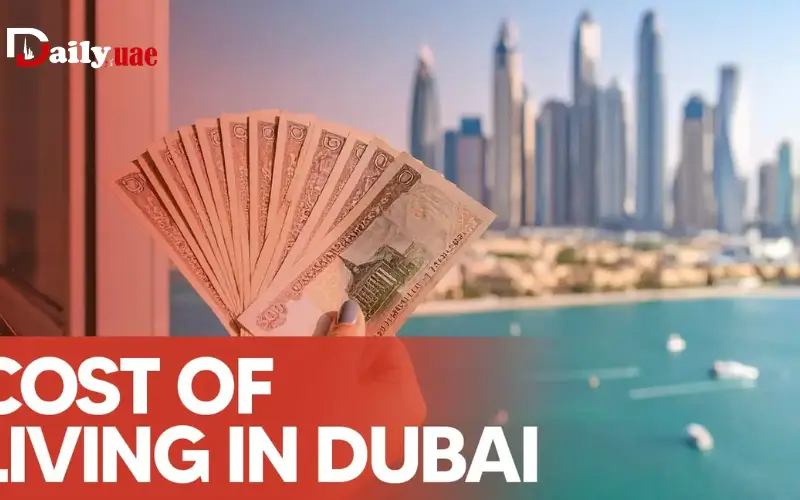
Although Dubai is a relatively affordable city, it can also be very expensive. The most common items that take up most of people’s budgets are 1) housing, 2) education, 3) transportation, 4) utilities, and 5) healthcare.
Dubai has a variety of homes to choose from as opposed to other cities worldwide. A young professional and his/her own apartment might spend much less than a family who are renting a villa and sends the children to international schools.
Typically, a grocery can be found at many price ranges,,s ranging from the budget supermarkets to premium imported-food stores. Food prices are also quite high, ,and there are choices from local dinners to fine dining adorned in luxury.The lack of income tax may make up for the rising expenses of living, especially for highly-trained people earning competitive salaries.
Finding Accommodation in Dubai
One of the first questions fornnewcomersis about the housing market.
Apartments, villas, townhouses, apartments for rent, and gated communities of various types are available in Dubai. Rental contracts are supervised by official government systems ensuring both landlords and their tenants are transparent.Many foreigners opt to rent an apartment in the beginning and then check if they should buy property later on.
Neighborhood characteristics, like commuting time, proximity to schools, public transportation, and community amenities can be a significant part of the reasoning behind choosing a neighborhood.
Of course, tenants should also set aside money for a security deposit, utility deposits (if necessary), moving expenses and fees (if applicable), as well.
Best Areas for Expats in Dubai
People live differently in different communities.
Dubai Marina
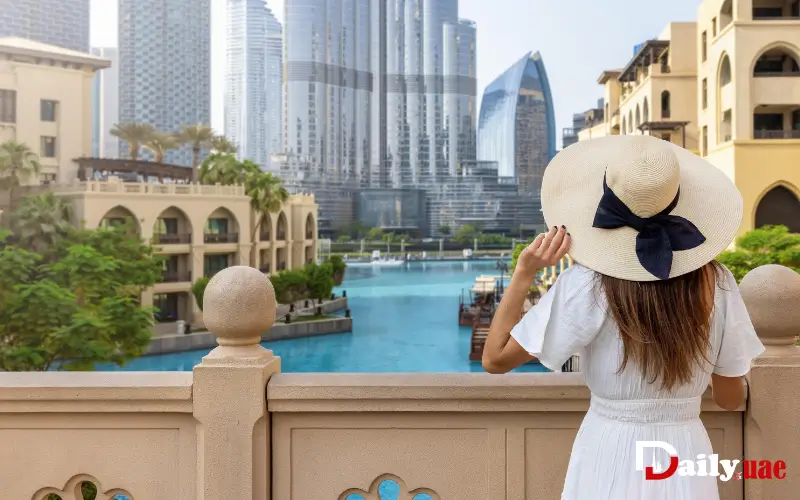
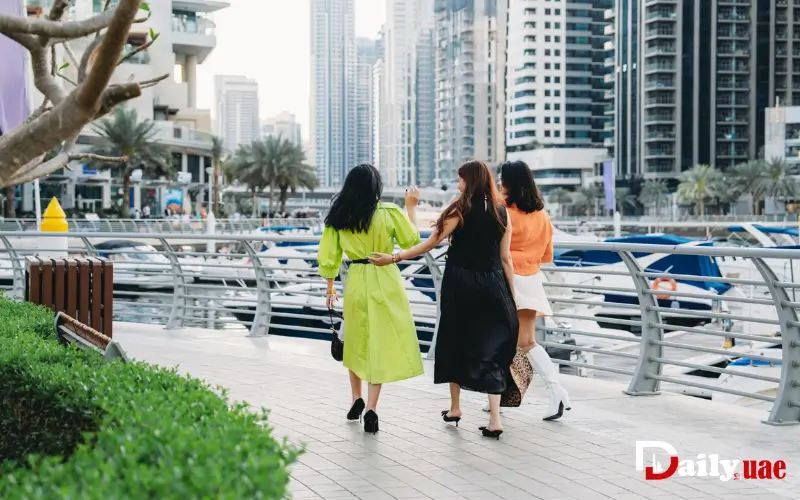
Among the professionals and young couples, Dubai Marina is still one area which is in high demand. The community provides waterfront homes, numerous restaurants, shopping and convenient access to public transit.It is especially appealing to Dubai Media City, Internet City and the surrounding business district employees.
Downtown Dubai
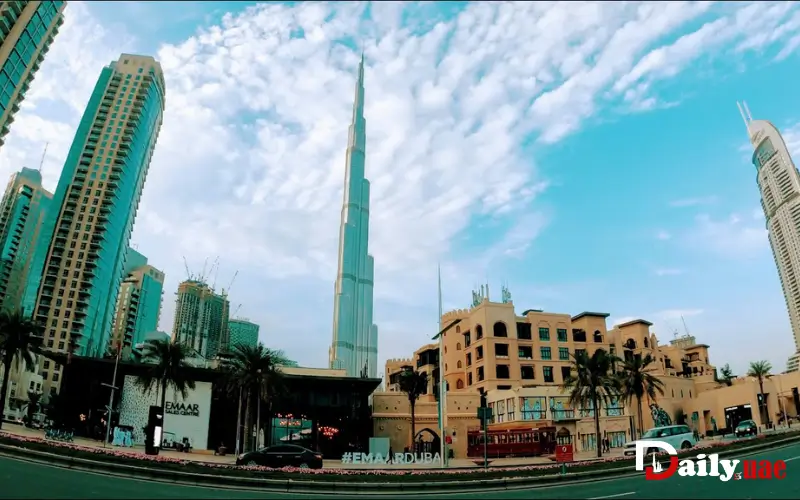
Dubai City Center is famous for the Dubai Fountain, the Dubai Mall and the Burj Khalifa.With their convenient location and luxurious urban style, however, residents of these locations usually pay a higher rent than other places.
Jumeirah Village Circle (JVC)
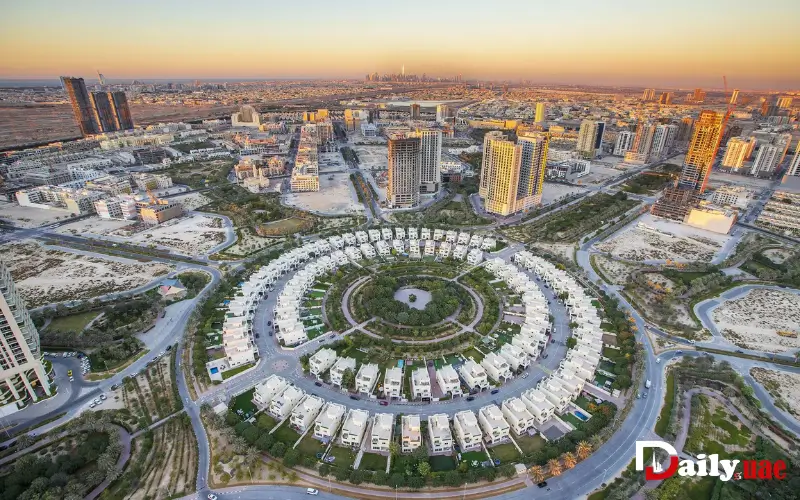
JVC is a relatively small development that has grown in popularity among families and professionals looking for lower cost of living in a home yet still be close to conveniences such as shopping, entertainment, and other attributes.There remains considerable residential development and infrastructure growth in the community.
Arabian Ranches
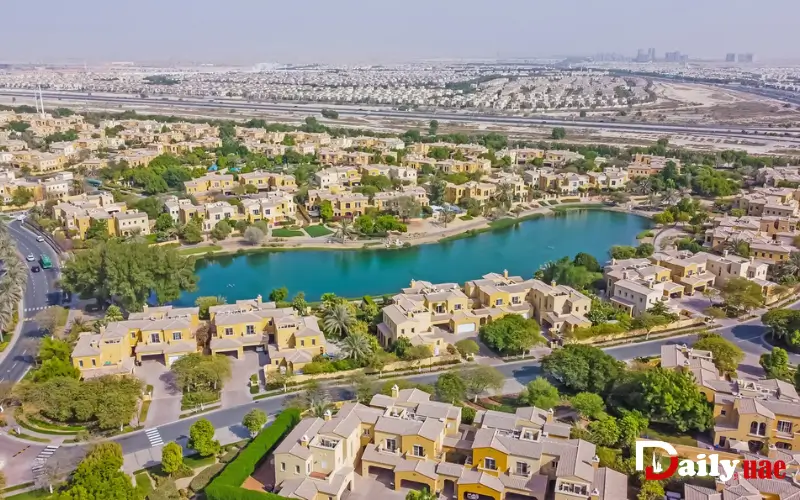
The community of villa residences known as Arabian Ranches is an established enclave popular among families who desire more suburban living, parks and other amenities.It’s family friendly, making it one of the most sought-after residences in Dubai.
Business Bay
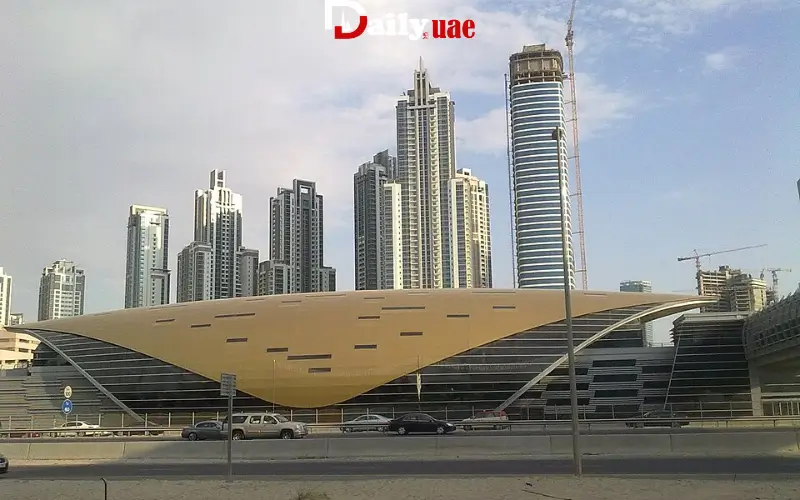
Business Bay holds residential, commercial, and hospitality projects, where they are clustered together in a vicinity to the Downtown Dubai area.It is especially favoured by people that are working in the nearby business areas.
Healthcare in Dubai
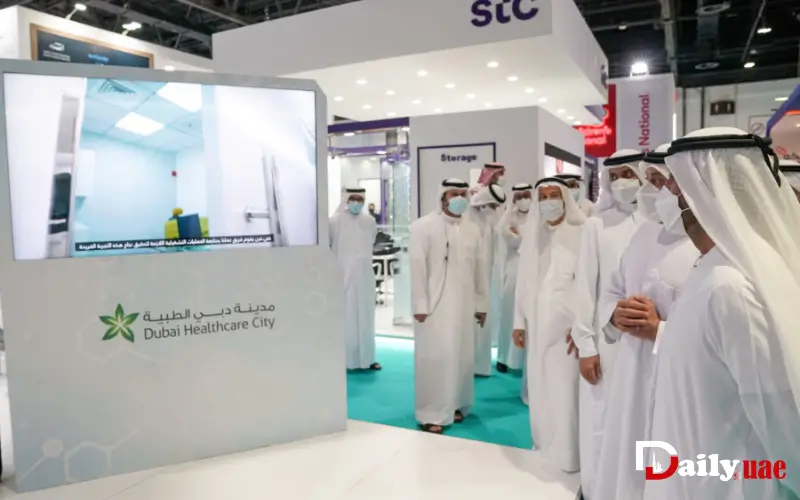
The health care system is one of the most sophisticated in the Middle East in Dubai.
The community has access to private and government health care facilities. There are numerous diagnostic centers, specialist clinics, modern hospitals and telemedical services available across the city.Health insurance is one of the essential topics in the healthcare sector. Often an employer provides insurance coverage for their employees, as well as families may require extra coverage based on certain scenarios.
The city is known for its high-quality healthcare services, with many doctors and healthcare providers working in Dubai having international training and experience.Dubai’s healthcare industry remains on the march, reinforcing the city’s role as a leading healthcare hub for the region.
Education and International Schools
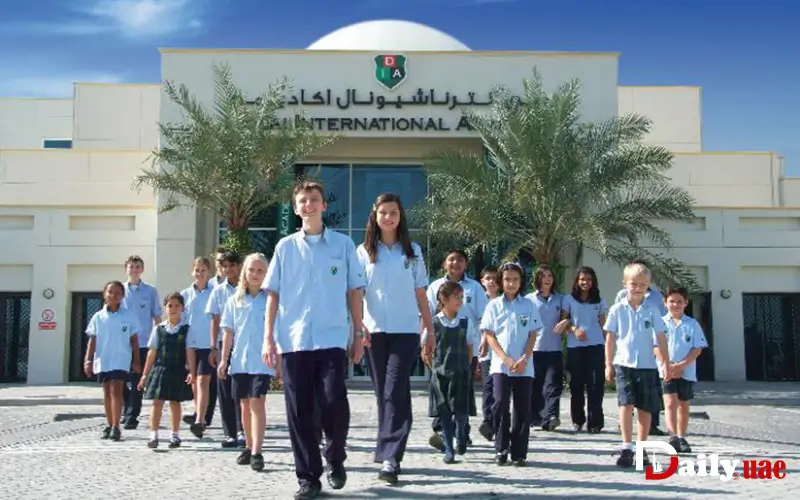
One of the key factors that expat families pay close attention to when moving to Dubai is education.
There are various international schools in the city which follow the British, American, International baccalaureate (IB), Indian, and other curricula in schools.Choices of schools may be of varying quality so research is a very important aspect of choosing an institution.
There are a significant number of schools that provide an environment optimum for language acquisition and learning, well-equipped with modern facilities and cater to the needs of Dubai’s expatriate community through offering a variety of extra-curricular activities.
Families are recommended to start the school selection process early as it has the advantage of having the ability to secure admission in selective and prestigious schools, where the demand is high.
Transportation and Getting Around Dubai
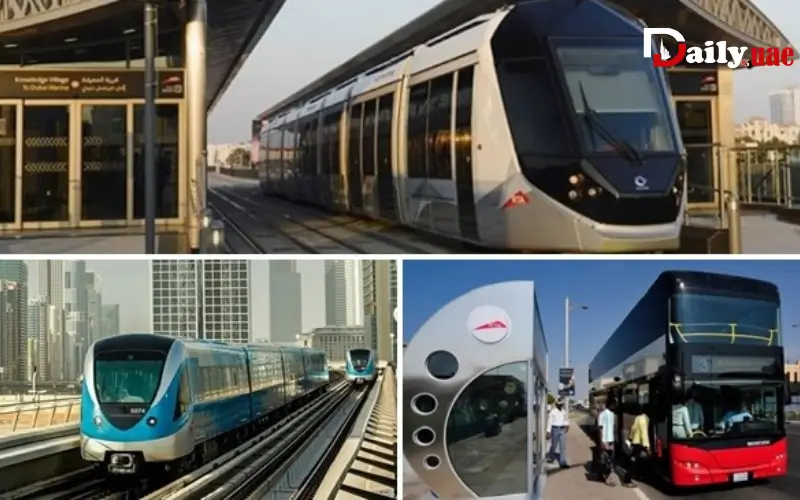
One of the most advanced transportation systems in the Middle East is in Dubai.
Dubai Roads and Transport Authority (RTA) is responsible for running an integrated system that comprises Dubai Metro, public buses, Dubai Tram, marine transport services, taxis and smart mobility.The Dubai Metro is the backbone of the city’s transportation network, providing three lines that link key residential, commercial and tourism areas.
The city has a public bus network that augments the metro network along its routes where there is not direct access to the rail route. Access these services is available via smart payment that is also used on various transport modes the Nol Card, which is available for use to the residents.
If someone wants to drive, Dubai has an extensive and modern road network, but during peak days of commuting, there might be traffic problems.
Banking and Financial Services
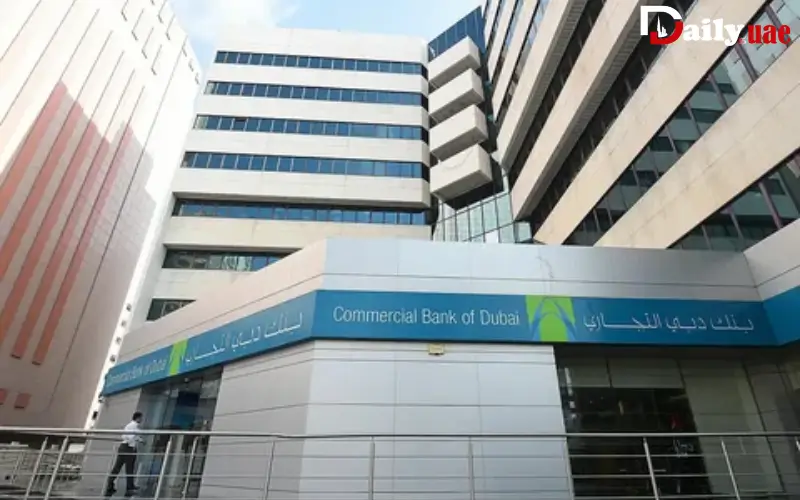
One of the first things that most expatriates do after they acquire immigration status is open a bank account. Dubai’s banking system is well developed and comprises both local and overseas financial institutions.
Before opening a personal account, most banks will ask for proof of address, passport, Emirates ID and a valid residence visa. When a customer joins, they have access to all types of services like savings account, current account, credit card, personal loan, mortgage and investment products.Digital banking has gained traction, and there are more apps than ever enabling customers to access their bank accounts, initiate transfers, pay bills and track spending from their mobile devices.
International money transfers are also popular as many expats often wire money to family back home. This competition amongst the financial institutions has brought improvement in the way funds are transferred and has minimised cost of the transaction compared to the previous years.
Utilities and Essential Services
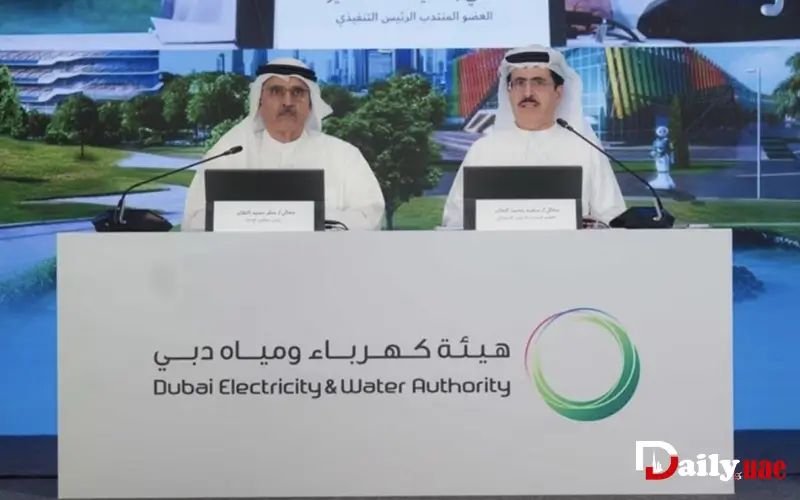
When relocating to a new home it is crucial to move in utilities.
Dubai Electricity and Water Authority (DEWA) is the main authority handling the electricity and water services in Dubai. The utility services are turned on and off through an online system once the tenants’ contract is registered.
Licensed telecom providers in the UAE provide internet, TV and cell phone services. Most communities have widespread access to high-speed fiber connections, from working from home to learning remotely to streaming entertainment.Often the waste collection, public maintenance and municipal services operate efficiently, which facilitates a high living standard for many citizens.The price of utilities varies depending on size and use, but reliable utilities are assured, year-round, in modern buildings.
Working in Dubai
Job opportunities continue to be among the most common factors expatriates have to consider when deciding to move to Dubai.
The city’s economy is diversified with numerous opportunities available for people having varied skills and experiences. The key industry areas are Financial, Technology, Healthcare, Aviation and tourism, Hospitality and accommodation, Logistics and supply, Construction, Education and professional services.
Many of Dubai’s advantages of strategic location have made this market an ideal place for multi-national corporations, regional headquarters and the expansion of start-up companies to locate.The hours contribute to each individual’s working life depends on a variety of factors, including sector and employer, but most work on a standard 7-day workweek from Monday to Friday. Over the last couple of years, part-time and flexible work schemes have also gained popularity.
Professionals may consider salary in addition to the value of the benefits and perks that come with a job, but there are differences by industry. Employment benefits may include housing allowances, health insurance, yearly flying allowances, education benefits and end-of-service benefits.
Before taking up a job, it is crucial to have an understanding of what an employment contract entails, labour laws and the rules on sponsorships.
Starting a Business in Dubai
Dubai is well known as a Place for Entrepreneurs and Investors.
Multiple business setup routes exist in the emirate, which include the mainland (within the UAE) and free zone (outside of the UAE economy) jurisdictions. They provide a platform through which investors can start businesses in sectors from tech to consulting, to retail to manufacturing.
The governments push for diversification has led to innovation and entrepreneurship initiatives, for instance through regulatory reforms, digital services and investment friendly policies. Dubai’s connectivity to the world, modern infrastructure, logistics strength, and close proximity to regional and international markets make it an ideal location for businesses.
There are numerous business opportunities available to individuals, but business owners must do adequate legal and financial research and market study before entering into a business.
Culture and Everyday Life
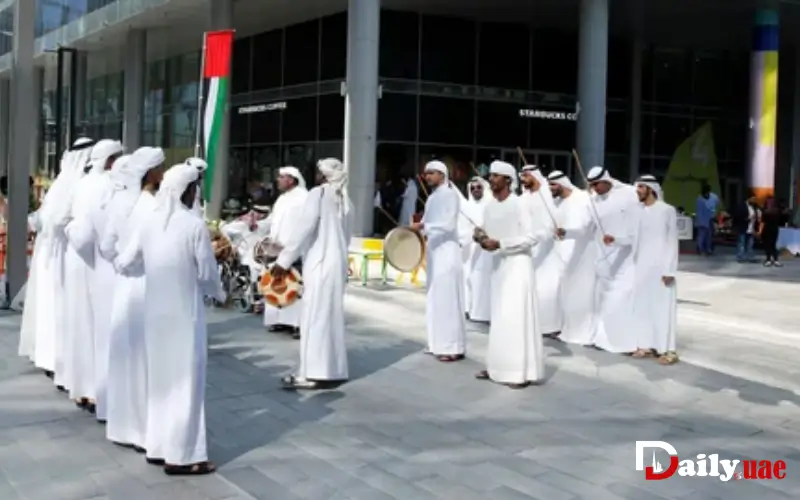
Dubai is one of those unique places because of its multiculturalism.
The city is home to a diverse community of people from all around the world, who have come to live and work there, creating a rich and vibrant social scene. English is widely used in the workplace, school, retail, and everyday situations and is easier for newcomers to adapt to. Meanwhile, Arabic is a language of instruction and is vital to the heritage of the nation.
Dubai’s gastrinomic cuisine mirrors the diversity and includes cuisine from all around the world. The residents have plenty of things to do when they aren’t shopping, including relaxing at the beach, attending the cultural events or watching sport or participating in other forms of entertainment.Local tradition and customs are still significant. Overall, Dubai is one of the most cosmopolitan cities in the Middle East, but it’s important for residents to adhere to local customs and laws.
Knowing these expectations aids expatriates’ adaptation better into their day-to-day life.
Safety and Security
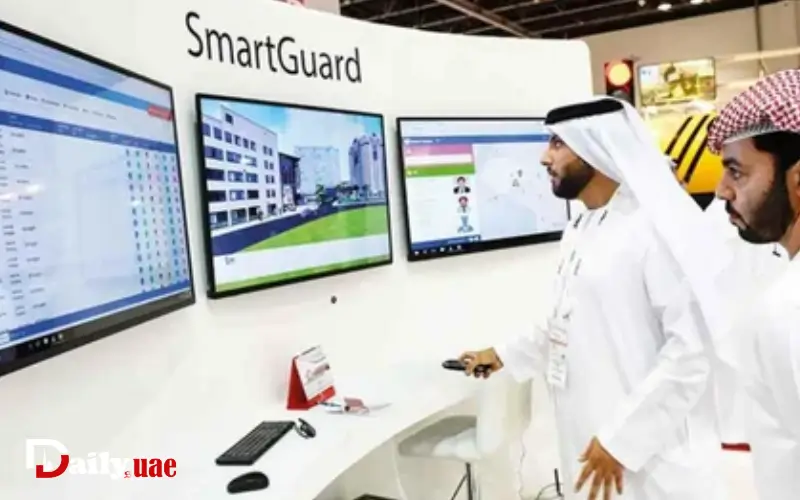
Safety is always one of the top attributes mentioned by people as being a great benefit of living in Dubai.
A combination of robust legal policies, cutting-edge surveillance and proactive law enforcement brings enrichment to the city. Consequently, at various times during the day there is a sense of comfort using public transport, walking in urban areas and participating in community activities amongst many residents.However, because of its focus on public order and the well-being of the community, Dubai can be seen as a secure place for families to raise children.
As with every city, its citizens should be vigilant and take reasonable steps to keep themselves safe, but generally speaking, Dubai’s safety is one of its greatest draws.
Climate and Weather
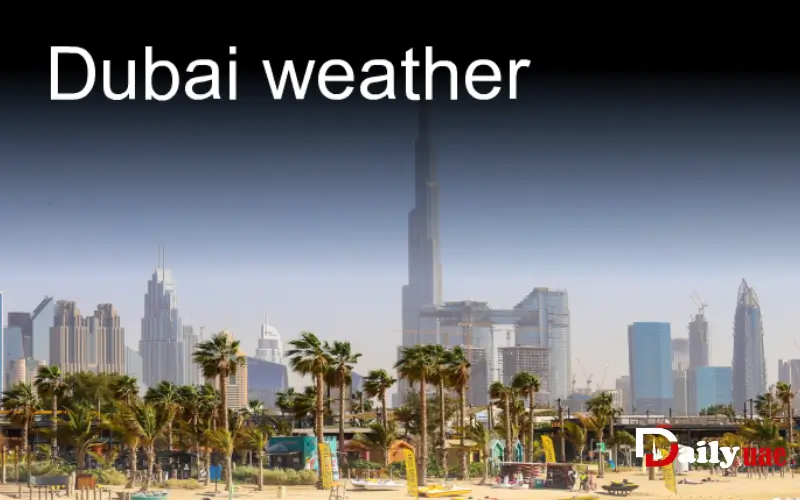
Dubai has a very desert-like climate with a mild winter and hot summer.
The temperature can get very warm, especially in the middle of the day, from May to September. Residents have access to air conditioned infrastructure so they can enjoy summer months and stay comfortable, but they may find their outdoor activities restricted in times of high heat.
One of the best times of year is the cooler one from November to March. People enjoy going outdoors, dining out, visiting the beach, attending sports events, and interacting with their communities because it’s a pleasant time of year.One thing many expats love about living in tropical areas is being able to experience some sunshine, especially if they don’t come from colder climates.
Pros and Cons of Living in Dubai
All decisions related to moving come with pros and cons.
Advantages
The city boasts good job prospects, modern infrastructure, efficient connectivity, a high level of safety and sharing a multicultural world. Rapid public services, a wide range of residential possibilities and international schools and healthcare services are available to residents.
Its strategic location is also enhanced by due ease with which contacts can be made with various destinations across Europe, Asia, Africa and Americas.
Challenges
Real estate and schooling expenses can be quite high, especially for higher quality. Photons Newcomer may need to acclimate to the heat levels found in the summer.Relocation also entails unfamiliar administrative tasks associated with visas, banking, housing and employment, for some of the expatriates. But, upon getting to know local systems, most residents take to them rapidly.
Is Dubai a Good Place to Live in 2026?
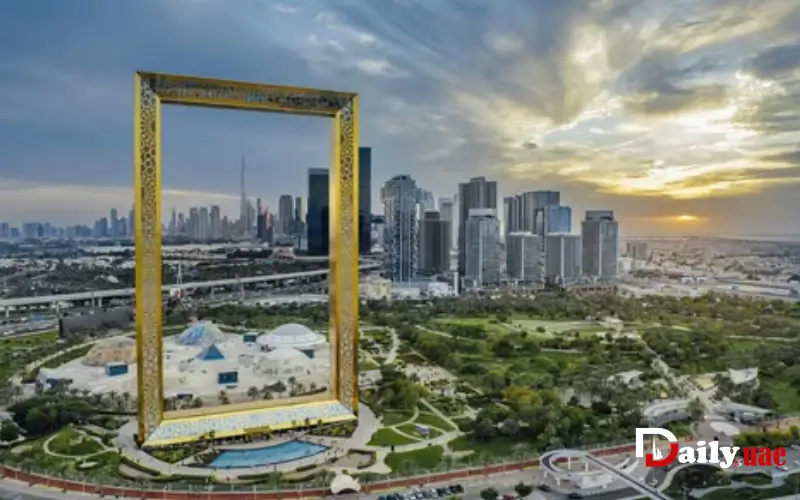
In many aspects, Dubai remains the bastion of economic opportunity, lifestyle benefits, infrastructure quality, and international connectivity that few cities offer. The city’s appeal to career-oriented professionals, business-oriented entrepreneurs and safe, connected families.
The experience, however, is very individual, depending on an individual’s priorities, income level, family situation and life style expectations. People thinking of moving should be doing their due diligence to thoroughly analyze housing, education, employment, and personal plans before making a final decision.
If you’re all about planning ahead, Dubai can offer a rewarding and rewarding area to live in.
Conclusion
Several factors contribute to the appeal of Dubai in 2026, making it a sought-after destination for expatriates from all over the world, including the opportunities it provides, the modern infrastructure, the cultural diversity, and lifestyle benefits. It offers excellent services, international communities and one of the most vibrant economies in the region, either as a location to vacation, travel for business or work or move to for investment and family.
Planning is often a key ingredient to success in Dubai. People with a better knowledge and awareness of what is required to move to other countries, where they can stay, where local and international schools are located, how food is managed, and how to procure local care, may find it much easier to establish a life in the country.
Many expatriates regard Dubai as more than just a place to work. A city that offers opportunities for long-term personal and professional development and a unique living experience at a global crossroads of Europe, Asia and Africa.
Read Also :
Sharjah Muroor Traffic Department: Complete
UAE Visit Visa 2026: Types, Cost, Requirements, and How to Apply
Al Khail Gate Community Centre Dubai Review: Rent, Facilities & Lifestyle 2026
Frequently Asked Questions
Is Dubai a good city for expatriates?
With its multicultural population, career prospects, updated infrastructure and comfortable living, Dubai is one of the world’s premium expatriate destinations.
Do I need a residence visa to live in Dubai?
Yes. Most foreign nationals are only able to reside in Dubai for extended periods with a valid residence visa.
Is Dubai expensive to live in?
The cost of living depends on your lifestyle, where you live and how many children you have and any education expenses needed. Dubai has luxurious and affordable housing.
Which areas are best for expatriates in Dubai?
Dubai Marina, Downtown Dubai, Business Bay, Jumeirah Village Circle, Arabian Ranches and other residential developments are some of the popular expat communities.
Is healthcare good in Dubai?
Dubai has a state-of-the-art healthcare system consisting of public and private providers, backed by cutting-edge healthcare facilities and international-trained medical staff.
Can expatriates buy property in Dubai?
Foreign nationals are welcome to buy property within designated freehold areas as per rules.
Is public transportation reliable?
The Metro, Bus, Tram, Taxis and Marine transports are well-developed networks making Dubai accessible throughout the city.
Is Dubai safe for families?
Dubai is one of the safer cities in the world, and is a convention among expatriate families.
What language is spoken in Dubai?
The native language is Arabic, English is widely used in business and everyday life.
Can I start a business in Dubai as a foreigner?
Yes. Foreign investors have different company formation options in Dubai both in the mainland and free zone Dubai.