



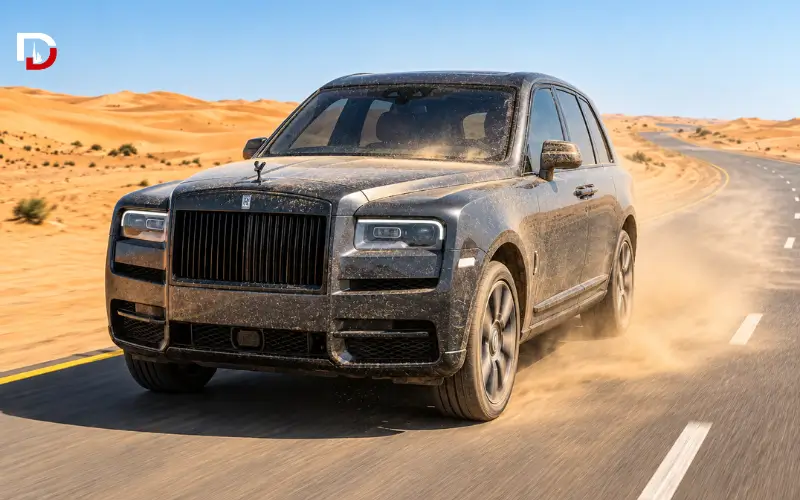
Driving through Abu Dhabi can expose your car to conditions that are much harder on paint than normal city driving. Desert sand, strong sunlight, high temperatures, road dust, and small stones can hit the exterior during daily trips, especially on highways and open roads.
At first, the damage may only appear as tiny marks or a slight loss of shine, but repeated exposure can weaken the clear coat and make the finish look dull. Sand can act like fine sandpaper when it hits the body at speed, while strong UV rays can fade the paint and reduce its gloss.
High temperatures and repeated heating and cooling can also place stress on the paint layers. However, regular rinsing, safe washing, shaded parking, and suitable protection can reduce these effects and help keep your car’s paint looking fresh for longer.
Why Desert Roads Are Hard on Car Paint?
Desert driving exposes a vehicle to several paint hazards at the same time. Sand particles can hit the body at high speed, especially on open highways and roads near sandy areas. Strong UV rays can also affect the clear coat and paint color.
Heat adds another challenge as the body becomes extremely hot during the day and cools later. When these conditions repeat for months, the paint can lose its smooth surface and shine. Regular protection is important for drivers who spend a lot of time on desert roads.
How Abu Dhabi’s Roads Affect the Car Battery’s Paint?
1. Sand Can Act Like Tiny Sandpaper
Fine desert sand may look harmless, but it can cause surface wear when it moves across a car at high speed. Wind can blow sand onto the hood, front bumper, doors, and side mirrors.
Highway driving makes the problem worse because particles can strike the paint with greater force. Over time, repeated contact can create tiny scratches and marks in the clear coat.
The front of the vehicle usually faces the most exposure because it takes the direct impact of sand, dust, and other small road particles.
2. Highway Driving Increases the Risk
The faster a car travels, the harder small particles can hit its exterior. Long trips on open desert highways can therefore expose the front panels to repeated impact for extended periods. Sand can also mix with road dust and other debris, making the surface more abrasive.
Vehicles used for regular highway travel may show small chips and fine scratches sooner than cars that mainly stay in city areas. Keeping a safe distance from other vehicles can also reduce the amount of loose dirt and stones reaching the paint.
3. Strong UV Rays Can Fade the Finish
Sunlight is another major concern for vehicles in Abu Dhabi. Strong ultraviolet rays can slowly break down the materials that give automotive paint its color and shine. With long exposure, the finish may begin to look faded, dry, or less glossy.
Dark colors can make fading easier to notice, although every paint color can be affected. Parking in direct sunlight for many hours each day increases exposure.
Covered parking, shade, and a suitable protective coating can help reduce the effect of constant sunlight on the exterior.
4. Heat Creates Extra Paint Stress
Abu Dhabi’s high temperatures can also place stress on the paint system. Body panels heat up under direct sunlight and expand as temperatures rise. They later cool as the vehicle moves into shade, an air-conditioned parking area, or cooler outdoor conditions.
Repeated heating and cooling can place stress on the different layers of the paint. This does not mean one hot day will damage the finish, but regular temperature changes over a long period can contribute to surface wear. Good protection can help reduce the effects of the harsh environment.
5. Never Wipe Sand From a Dry Car
One of the easiest ways to damage dusty paint is to wipe it while dry. A cloth or duster can drag fine sand particles across the surface and leave small scratches. The same problem can happen when using a dirty wash mitt.
Always rinse the vehicle first and allow water to loosen sand and dust. Once the surface has been rinsed, use a clean microfiber mitt and pH-neutral car shampoo. A two-bucket washing method can also help keep removed dirt away from the clean wash solution.
6. Choose the Right Paint Protection
Not every protection method offers the same level of defense against Abu Dhabi’s desert roads. Drivers who regularly travel on highways should consider how much exposure their car gets to sand, stones, sunlight, and road dust.
For those looking for paint protection film in Abu Dhabi, a trusted workshop such as Zenfo Auto Services can provide guidance on suitable film coverage for the vehicle.
PPF creates a clear physical barrier over the paint and helps protect high-impact areas such as the hood, front bumper, fenders, and side mirrors from sand and small road debris.
| Protection Type | Main Benefit | Impact Resistance | Typical Lifespan | Best For |
| Paint Protection Film (PPF) | Physical barrier against sand, stones, and road debris | High | 5 to 10 years | Highway and desert driving |
| Ceramic Coating | UV protection, gloss, and easier cleaning | Moderate | 2 to 5 years | City driving and regular paint care |
| Car Wax | Basic shine and short-term protection | Low | 1 to 3 months | Temporary protection |
PPF is generally the better option when physical impact is the main concern. Ceramic coating is useful for UV protection, easier cleaning, and a glossy finish, while wax offers a simple short-term layer.
Some car owners may also combine PPF on high-impact panels with ceramic coating on the remaining painted surfaces.
Park in Shade Whenever Possible
Parking habits can make a noticeable difference to paint condition. Covered or underground parking reduces direct sunlight and helps keep the body cooler. It also limits the amount of dust that settles on the surface.
When covered parking is not available, a good breathable car cover can provide another layer of protection. The vehicle should be clean before the cover is used because trapped sand can rub against the paint when wind moves the cover.
Avoid leaving the car uncovered for long periods whenever a safer parking option is available.
Wash Regularly After Desert Driving
Regular washing helps prevent sand and road dust from building up. After driving through desert areas, give the car a thorough rinse before washing it by hand. This removes loose particles without dragging them across the surface.
Use clean microfiber towels for drying and avoid rough cloths or old sponges. If bird droppings, tree sap, or other contaminants land on the paint, remove them quickly.
Strong heat can make these substances harder to remove and may increase the chance of surface staining.
Must Explore: Dubai Airport Free Zone Metro Station 1
Conclusion
Abu Dhabi’s desert roads can slowly damage a car’s paint through sand abrasion, strong UV rays, high heat, and repeated exposure to dust and road debris. These effects can lead to fine scratches, fading, loss of gloss, and clear coat wear.
Regular rinsing, careful hand washing, shaded parking, and quick removal of bird droppings or other contaminants can reduce these risks.
For drivers who spend a lot of time on highways or desert roads, adding suitable paint protection can provide another layer of defense and help keep the vehicle looking newer for longer.