




A car breakdown can turn a normal drive in Abu Dhabi into a stressful situation within minutes. High heat, busy roads, long trips, and daily traffic can put extra pressure on many parts of a vehicle.
The most common reasons cars break down in Abu Dhabi include battery failure, engine overheating, weak tires, poor fluid levels, and worn belts or hoses.
Fuel system faults, brake problems, electrical issues, and missed maintenance can also leave a car unable to continue. Knowing these causes can help drivers spot warning signs early and avoid sudden trouble.
Basic Reasons Cars Break Down in Abu Dhabi
1. Extreme Heat Weakens the Car Battery
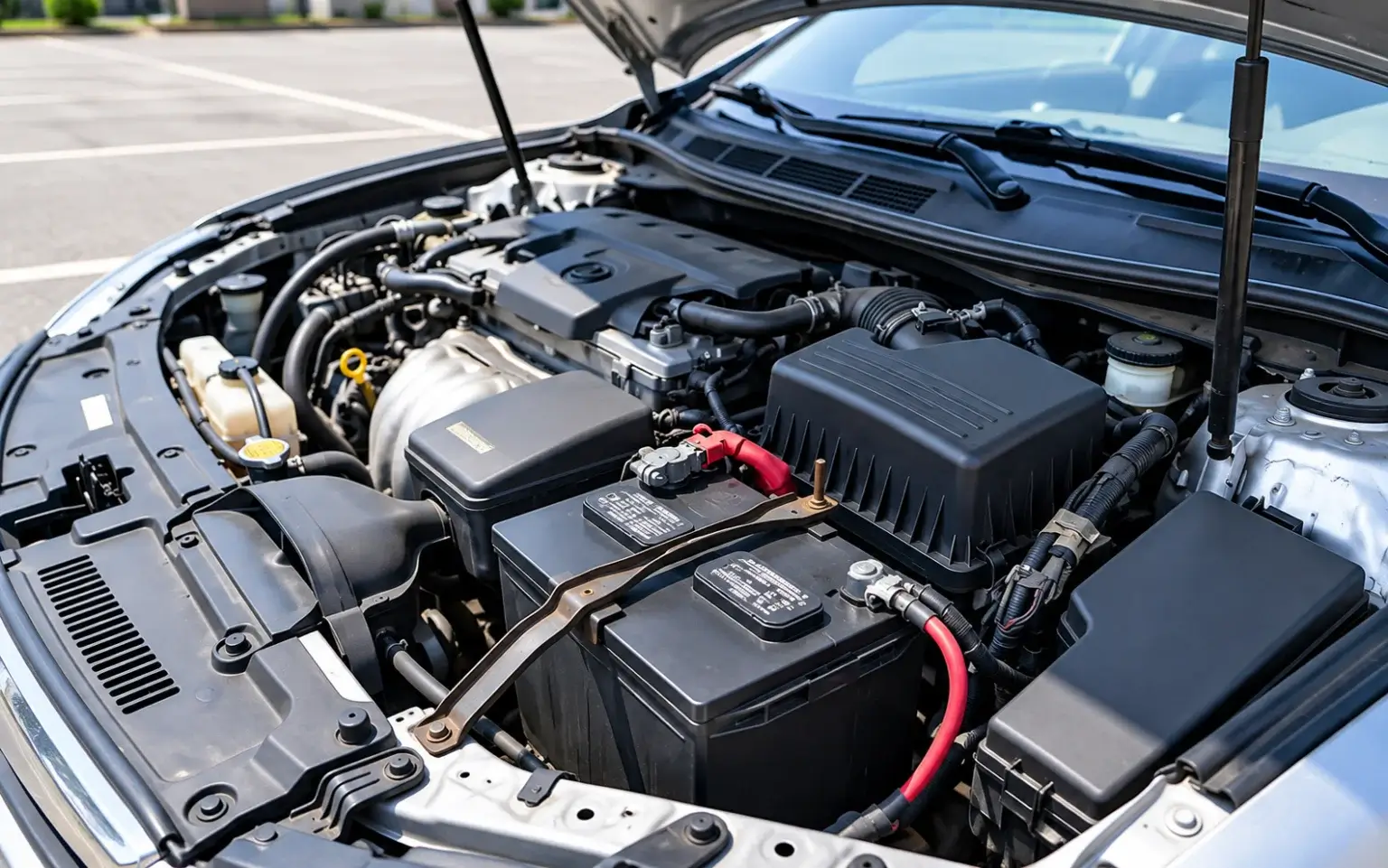
Abu Dhabi’s hot weather can shorten the life of a car battery. High temperatures can cause the battery fluid to lose moisture and speed up chemical reactions inside the battery. This may weaken its ability to hold a charge and start the engine.
A battery that works well during cooler months may suddenly fail during a very hot day. Drivers should watch for slow engine cranking, dim lights, or repeated starting problems.
Checking the battery before it becomes completely weak can help prevent an unexpected roadside stop.
2. Engine Overheating Is a Common Problem
An engine produces a large amount of heat while running, and Abu Dhabi’s high outdoor temperature makes cooling even more important. A low coolant level, damaged radiator, weak water pump, faulty cooling fan, or blocked radiator can cause the engine temperature to rise.
Ignoring the temperature warning light can lead to serious engine damage. Drivers should never continue driving when the temperature gauge reaches an unsafe level.
Regular checks of coolant, radiator hoses, fans, and the cooling system can reduce the risk of overheating during long drives or heavy traffic.
3. Tires Can Fail Because of Heat and Wear
Tires face extra stress on hot roads, especially when they are old, damaged, or not filled to the correct pressure. Excessive heat can increase the pressure inside a tire, while worn tread reduces grip and safety.
A tire with a slow leak may also become dangerously underinflated. Punctures are another common reason for roadside trouble. Drivers should check tire pressure regularly and inspect the sidewalls for cracks, cuts, or bulges.
Keeping the spare tire in good condition is also important because it may be needed when a tire fails unexpectedly.
4. Low or Dirty Engine Oil Can Cause Damage
Engine oil helps reduce friction between moving parts and also helps control heat inside the engine. When the oil level becomes too low, important engine parts may not receive enough lubrication.
Old or dirty oil can also lose some of its ability to protect the engine. In severe cases, continued driving can cause major engine damage and leave the vehicle stranded.
Drivers should follow the recommended oil change schedule and check the oil level when needed. Using the correct oil for the vehicle is equally important, especially in a hot climate.
5. Worn Belts and Hoses Can Stop the Car
Belts and hoses may look like simple parts, but they play an important role in keeping the engine running. A damaged serpentine belt can affect systems such as the alternator, water pump, or air conditioning, depending on the vehicle.
A broken timing belt can cause severe engine damage in many engines. Rubber hoses can also become hard, cracked, or weak because of age and heat.
Drivers should look for cracks, leaks, unusual sounds, or loose belts during regular service. Replacing worn parts early is usually safer and less costly than dealing with a breakdown.
6. Electrical Faults Can Leave a Car Stranded
Modern cars depend on many electrical parts, including the alternator, starter motor, sensors, wiring, and control units. A faulty alternator may stop charging the battery while the car is moving.
A weak starter can prevent the engine from turning on even when the battery has enough power. Damaged wiring or a blown fuse can also affect important systems. Warning signs may include flickering lights, electrical accessories that stop working, or repeated starting problems.
If these signs appear, 800Sayara can help with professional car repair in Abu Dhabi to identify the actual fault and get the vehicle back on the road safely.
7. Brake Problems Can Develop Over Time
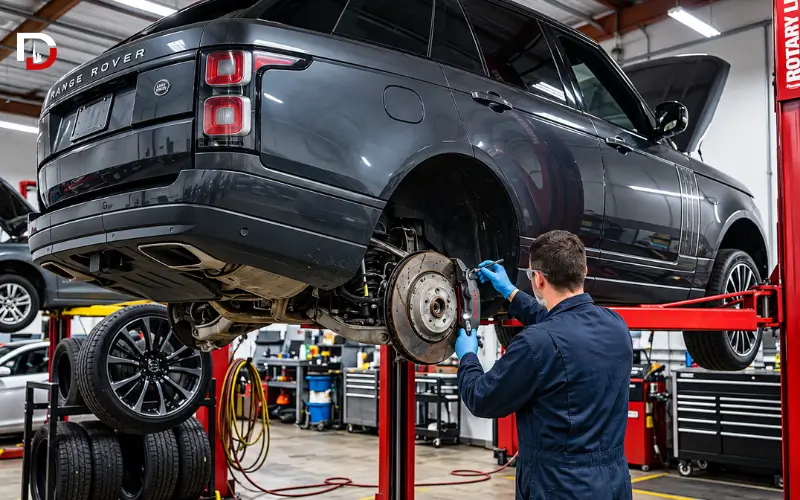
Brake parts wear down through normal use, but delaying service can make the problem worse. Thin brake pads, worn discs, low brake fluid, or a damaged brake component can reduce braking performance.
Drivers may notice squealing, grinding sounds, vibration, or a brake pedal that feels different from normal. Abu Dhabi traffic can also mean frequent stopping, which increases brake use. Regular brake inspections help identify worn parts before they become a serious problem.
If the car does not stop normally or a brake warning light appears, it should be checked as soon as possible.
8. Transmission Problems Can Cause Sudden Trouble
The transmission handles the transfer of engine power to the wheels, so problems in this system can quickly affect the vehicle’s ability to move. Low transmission fluid, old fluid, overheating, worn internal parts, or electrical faults can cause shifting problems.
Drivers may notice delays when changing gears, jerking, slipping, strange noises, or warning lights. Heavy traffic and high temperatures can place extra stress on the transmission.
Following the correct service schedule and using the recommended fluid can help protect the system. Early diagnosis is important because small shifting problems can become expensive repairs if ignored.
9. Fuel System Problems Can Stop the Engine
A car needs a steady supply of clean fuel to run properly. A blocked fuel filter, weak fuel pump, dirty injector, or fuel pressure problem can cause poor acceleration, hard starting, or sudden engine stalling.
Running the car with a very low fuel level for long periods may also put extra stress on some fuel pumps. Poor fuel quality can create additional problems in the fuel system.
Drivers should pay attention to starting delays, loss of power, or engine hesitation. If these signs appear often, the fuel system should be tested before the car stops completely.
10. Missed Maintenance Increases Breakdown Risk
One of the biggest causes of car trouble is simply missing regular maintenance. Oil changes, battery checks, tire inspections, brake checks, coolant service, and filter replacement all help keep a vehicle reliable.
When service is delayed, small faults can remain unnoticed until they become serious. A car may still appear to run normally even when parts are close to failure. Keeping service records and following the vehicle maker’s maintenance schedule can reduce this risk.
Drivers who notice a new noise, warning light, smell, vibration, or change in performance should have it checked instead of waiting for a complete failure.
Warning Signs That Should Never Be Ignored
Many breakdowns do not happen without warning. The car may give small signs before a major part fails. Paying attention to these changes can give drivers time to arrange an inspection.
- Slow engine starting or repeated starting trouble
- Rising engine temperature
- Warning lights on the dashboard
- Strange engine or transmission sounds
- Burning smells or unusual smoke
- Weak air conditioning performance
- Shaking, pulling, or unusual vibration
- Soft or noisy brakes
- Fluid leaks under the vehicle
- Sudden loss of power or poor acceleration
Getting these signs checked early can help prevent a minor fault from becoming a roadside emergency.
Also Explore: Al Sajaa
Final Thoughts
Car breakdowns in Abu Dhabi are often linked to heat, heavy traffic, worn parts, low fluid levels, battery problems, and missed maintenance. Tires, brakes, transmissions, cooling systems, fuel systems, and electrical parts can also fail when warning signs are ignored.
Regular checks are especially important in a hot climate because heat can speed up wear on many vehicle components.
If your car shows unusual symptoms, arranging professional car repair before the problem becomes serious can help protect the vehicle and reduce the chance of being stranded on the road.