


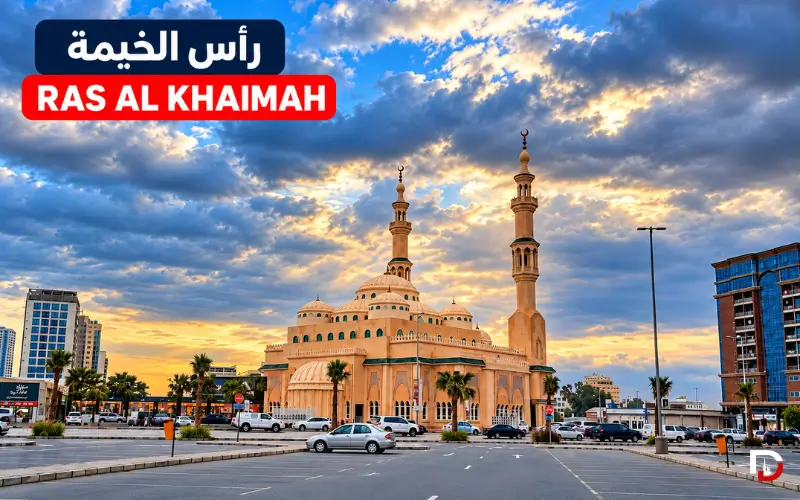



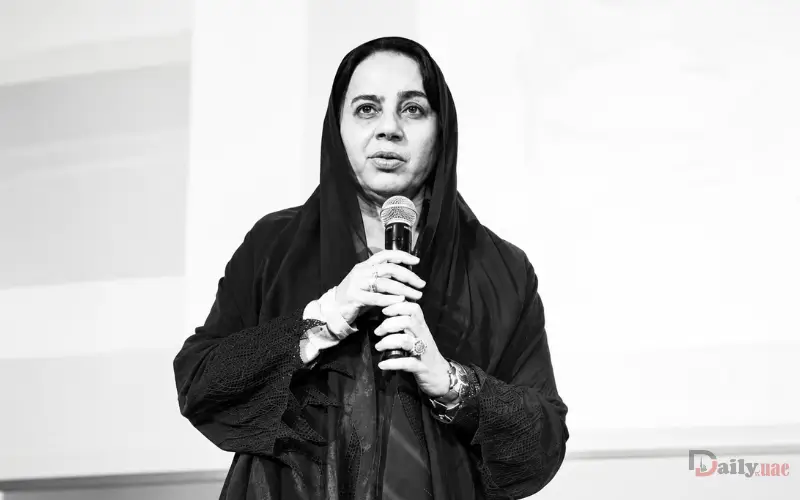
Ousha Al Suwaidi became one of the most popular poets in the history of the UAE, later on being crowned Fatat Al Arab Girl of the Arabs. Her verses spoke the language of the desert and the sea, and the life of Bedouin, long before the nation was a land of skyscrapers. Her words put solace in the hands of leaders, artists, and everyday Emiratis alike. Her journey began when she was a little girl reciting poetry in Al Ain, and ends with Google honoring that name in 2022.
Quick Overview
| Detail | Information |
|---|---|
| Full Name | Ousha bint Khalifa Al Suwaidi |
| Also Known As | Fatat Al Arab, Fatat Al Khaleej, Ousha the Poet |
| Born | January 1, 1920, Al Ain, Abu Dhabi |
| Died | July 27, 2018, Dubai (aged 98) |
| Profession | Nabati Poet |
| Poetic Style | Classical Arabic and Nabati dialect poetry |
| Known For | Preserving Nabati poetry, empowering female Emirati poets |
| Notable Tribute | Google Doodle, November 28, 2022 |
| As of 2026 | Widely regarded as one of the UAE’s most influential literary figures |
Who Was Ousha Al Suwaidi?
Ousha bint Khalifa Al Suwaidi was an Emirati poet, born in Al Ain in 1920. She was an internationally renowned poet of the Nabatis from across the Gulf. Her poems were of love, wisdom, patriotism, and nostalgia. Her writing was in a style that is based on Bedouin oral tradition.
She is regarded as the “Mother of Emirati Poetry.” According to the Al Suwaidi Foundation, her work inspired a generation of poets throughout the UAE and the region of the GCC.
Early Life and Background
Birth in Al Ain
Ousha was born on January 1, 1920, in Al Ain, Emirate of Abu Dhabi. Her family was a bookish and poetry-loving family. She was a member of the local poetry events when she was a child. She is a keen observer of established poets, before she started writing. Al Ain was a small oasis community in the 1920s. Storytelling and recitations of poetry were an integral part of social intercourse there.
Family and Childhood Environment
Ousha was raised in a family with classical Arabic literature-loving relatives. This was a world that had its own unique influence on her early love of language. She did not attend regular schools, per se. Rather, she acquired her skills by watching others, by practicing and rehearsing, and by joining in with others, simply by gathering in groups called diwans.
This informal education she possessed was very good for her understanding of rhythm and meaning. It was the basis of her subsequent poetic career.
The Qatar Years and Move to Dubai
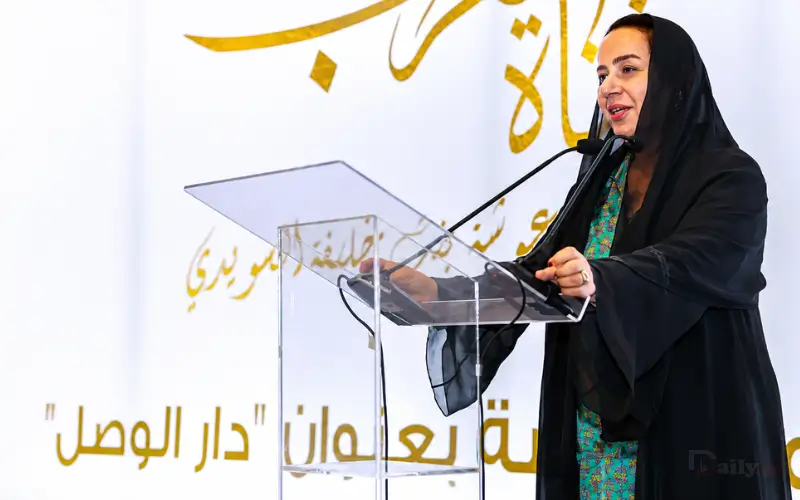
Ousha’s life in Qatar lasted for 15 years. Afterwards, she came back and took up permanent residence in Al Ain. She eventually moved to Dubai in the late 80’s and lived there until her death. According to the Al Suwaidi Foundation (ousha.ae, 2021), this was the most prolific time of her poetic career.
Must Read: Sheikh Hamdan Biography
Rise to Prominence in Nabati Poetry
Recognition at Age Fifteen
Ousha’s talent was first noticed by the poetry community at the age of fifteen. At that time, it was an exception. Poetry in the 1930s Gulf was a male-dominated field. She was early identified, thus becoming one of the first female voices to emerge.
Poetic Influences
Ousha was influenced by both classical Arabic poets and local Nabati poets. It was this mix that gave her a unique writing style.
She was much influenced by:
- Classical poets include Al Mutannabi, Abu Tammam, and Al Ma’ari.
- These two poets were both of the Nabati tribe: Al Majidi bin Thahir and Rashid Al Khalawii.
- Contemporaries: Saleem bin Abdul Hai and Mohsin Hazzani
This is not a list that is often featured in other literary profiles in the United Arab Emirates, as per the official biography of the Al Suwaidi Foundation (ousha.ae, 2021).
What Is Nabati Poetry?
The Nabati poetry is an ancient Arabic poetry written in the dialects used in the Gulf region. It is not like classical Arabic poetry in terms of vocabulary and rhythm. It was developed by Bedouin society throughout the Arabian Peninsula. The poet used it to document history, express emotions, and convey cultural values.
One of its most esteemed practitioners was Ousha Al Suwaidi. She integrated classical Arabic with Nabati structure in a unique style.
From Fatat Al Khaleej to Fatat Al Arab
Ousha’s fame spread throughout the Gulf,f and she became known as “Fatat Al Khaleej” (Girl of the Gulf). Sheikh Mohammed bin Rashid Al Maktoum dedicated a poem to her in his first published volume in 198,9 following several poetry recitals together.
He bestowed a new name on her in that collection: “Fatat Al Arab” (Girl of the Arabs). Her nickname was changed to the name, and she used it for the remainder of her life.
Major Themes in Her Poetry
Ousha’s poetry always touched on some strong themes. The themes provide the reasons for her work to resonate today.
- Love, patriotism, wisdom, and nostalgia
- High-quality images of the desert and sea, representing Emirati environments
- Faith and devotion, including her most important poem in praise of Prophet Mohammed (PBUH)
These themes are still mentioned in the cultural and educational programmes of the UAE relating to the study of Nabati poetry till 2026.
Ousha Al Suwaidi and Women’s Empowerment in Literature
Early 20th-century Gulf poetry was a male-dominated realm. That norm was challenged head-on by Ousha’s early success. Her discovery at age 15 paved the way for others in the Emirati community. It demonstrated that good literature did not have to be restricted by gender.
She has been an inspiration for later generations of Emirati female poets. The award established in her name is dedicated to poetry by female poets.
Awards and Recognition
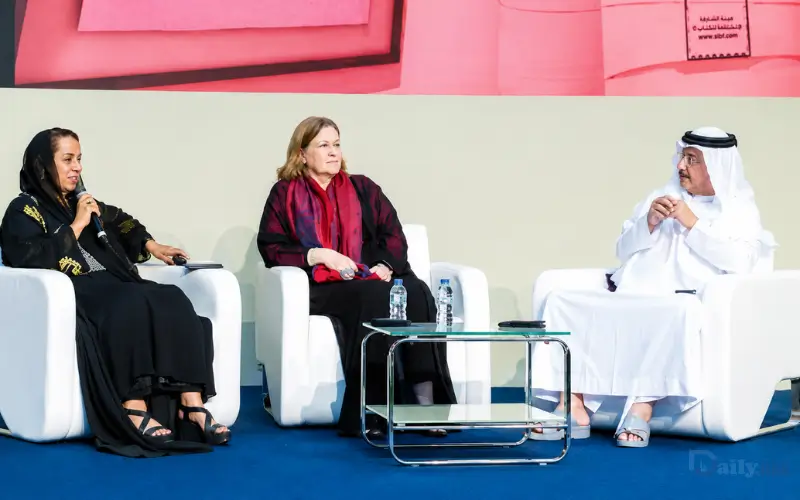
Ousha received formal recognition from UAE leadership and cultural institutions throughout her later life.
| Award / Honor | Year | Presented By |
| Sharjah Festival of Classic Poetry (11th edition) | 2010 | Sharjah Festival of Classic Poetry |
| Abu Dhabi Award | 2010s | Sheikh Mohamed bin Zayed Al Nahyan |
| An annual poetry award named in her honor was established | 2011 | UAE literary community |
| Women’s Museum Dubai dedicated section | 2011 | Women’s Museum, Dubai |
| Abu Dhabi Festival Award | 2019 | Abu Dhabi Music & Arts Foundation (ADMAF) |
| Google Doodle tribute | 2022 | Google, illustrated by Reem Al Mazrouei |
In short, Ousha Al Suwaidi’s honors span more than a decade, from the 2010 Sharjah Festival award to the 2022 Google Doodle, making her one of the most consistently recognized Emirati poets.
Must Read: Asma Hamza
Ousha Al Suwaidi Life Timeline
Here is a quick timeline of the major moments in her life and career, from birth to global recognition.
| Year | Event |
|---|---|
| 1920 | Born in Al Ain, Abu Dhabi |
| 1935 | Recognized by the poetry community at age 15 |
| 1989 | Given the title Fatat Al Arab by Sheikh Mohammed bin Rashid Al Maktoum |
| 1990 | First poetry collection published |
| 2010 | Honored at the Sharjah Festival of Classic Poetry |
| 2011 | Official biography published; Women’s Museum Dubai section dedicated |
| 2018 | Passed away in Dubai at age 98 |
| 2019 | Posthumous Abu Dhabi Festival Award from ADMAF |
| 2022 | Honored with a Google Doodle on November 28 |
In short: Ousha Al Suwaidi’s timeline spans over a century of Emirati cultural history, from her 1920 birth to her 2022 global recognition via Google Doodle.
Published Works and Literary Legacy
Ousha’s poems were passed on for many years without being published. After years of her being a well-known figure, her first official collection was at a later time.
- In 1990, the poet Hamad Bin Khalifa Bou Shehab published his first poetry book.
- In 2000, a second edition of the collection was published.
- For 2011, Dr. Rafia Ghubash commissioned an official biography to be published.
The Al Suwaidi Foundation (ousha.ae, 2021) also devoted a section of the Women’s Museum (2019) that is still open to visitors to date to her life and work. Her poems were also put to music. Some were sung by popular Emirati and Arab performers, giving her a wider audience than just among the literary community.
The 2022 Google Doodle Tribute
Google honored Ousha Al Suwaidi in their Google Doodle on November 28, 2022. It is Abu Dhabi-based artist Reem Al Mazrouei’s illustration. The tribute brought her story to the world for the first time. According to Arab News (2022), it was one of the rare occasions that an Emirati poet was given this international recognition.

Death and National Tributes
Ousha Al Suwaidi passed away in Dubai on July 27, 2018, at the age of 98.
The UAE leadership expressed condolenceonto her passing. Both Sheikh Mohammed bin Rashid Al Maktoum and Sheikh Mohammed bin Zayed Al Nahyan made statements to recognize her literary efforts.
The UAE’s former Minister of Culture also highlighted her contribution to the national cultural scene, the Al Suwaidi Foundation wrote (ousha.ae, 2021), citing her as having had a lasting influence.
Her Influence on Contemporary Emirati Poets
Ousha Al Suwaidi has been described as having inspired many of the country’s modern poets. Her blend of classic form and casual language is still the model. Her work has been discussed in cultural commentaries that speak to her influence on the general poetry revival in the rest of the Gulf. Her pieces are often compared to those of her great Nabati artists of the 20th century.
Her legacy is still being remembered at poetry festivals in the UAE. She is one of the standard references as of 2026 in Emirati literary discourses.
Why Ousha Al Suwaidi Still Matters in 2026
Ousha Al Suwaidi’s poetry is still used in the UAE school curriculum and in cultural festivals. She was named after an annual award for Emiratiwomen poetss. She remains a reference in the academic literature on Nabati poetry and the literature of the Gulf region as of 2026.
Must Read: Tariq ibn Ziyad
Frequently Asked Questions
Who was Ousha Al Suwaidi?
A highly respected Emirati Nabati poet, Fatat Al Arab (1920 – 2018).
When was Ousha Al Suwaidi born?
She was born in Al-Ain, Abu Dhabion 1 January 1920.
Why is she called Fatat Al Arab?
She was given this title in 1989 by Sheikh Mohammed bin Rashid Al Maktoum, to whom she dedicated a photo.
What is Nabati poetry?
It is traditional Arabic poetry composed in the local Gulf dialects, which are based on the Arabic Bedouin oral culture.
When did Ousha Al Suwaidi die?
She passed away on July 27, 2018, in Dubai, at the age of 98.
What awards did she receive?
She was the winner of the Sharjah Festival award in 2010 and the Abu Dhabi Award and the ADMAF Abu Dhabi Festival Award in 2019.
Why did Google honor her with a Doodle?
Her cultural legacy was honored in an illustrated tribute Doodle by Google on November 28, 2022.
What themes appear in her poetry?
Her usual themes are love, patriotism, wisdom, nostalgia, nd Emirati culture.
Did she live outside the UAE?
Yes, she has been living in Qatar for 15 years before coming back to Dubai.
Where can I learn more about her poetry?
The Women’s Museum in Dubai has a special room dedicated to her life and her writing.
Were her poems set to music?
Yes, she had some of her poems performed and sung by popular Emirati and Arab artists.
Is Ousha Al Suwaidi still relevant to modern poets?
Yes, modern-day Emirati poets still use her as a source of inspiration for modern-day Nabati poetry.