


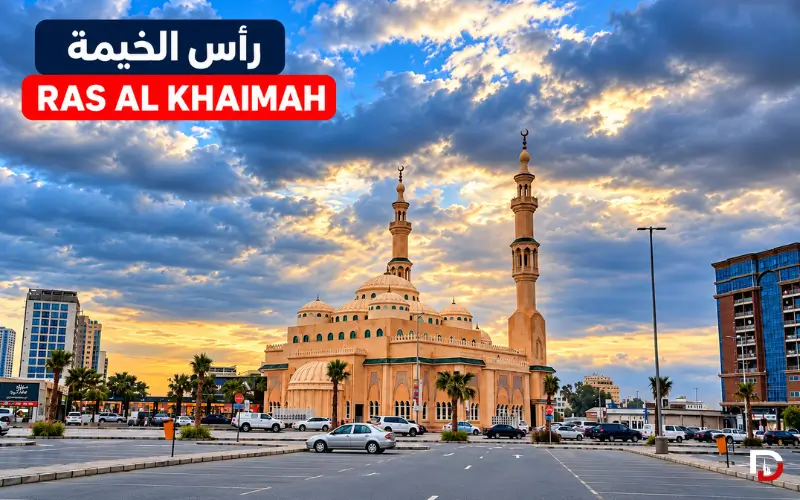



Ras Al Khaimah combines mountain roads, quiet beaches, historic settlements, and modern waterfront resorts. The city centre has restaurants, shops, and everyday services, while the wider emirate extends into the Hajar Mountains and stretches of coastline along the Arabian Gulf. A visitor can spend the morning exploring an old fort and finish the day beside the water without leaving the emirate.
Planning becomes easier once you account for the distances between attractions. A beach resort, a heritage site and a mountain viewpoint may sit in very different parts of the area, so your accommodation and transport choices can shape the entire trip.
Quick Facts
| Detail | Information |
|---|---|
| Country | United Arab Emirates |
| Administrative status | One of the seven UAE emirates |
| Capital | Ras Al Khaimah city |
| Region | Northern UAE, on the Arabian Gulf |
| Landscapes | Mountains, coastline, desert and plains |
| Main airport | Ras Al Khaimah International Airport (RKT) |
| Main attractions | Jebel Jais, beaches, forts and heritage sites |
| Historical links | Pearling, fishing and maritime trade |
| Transport | Car, taxi, bus and air travel |
| Tourism website | Visit Ras Al Khaimah |
Location and Geography
To the west of Ras Al Khaimah is the Arabian Gulf, while the Arabian-Persian mountains, the Hajar Mountains, run up to the east. The emirate borders Umm Al Quwain, Sharjah, Fujairah and Oman.
It is the name of the emirate itself as well as of the city of Al Ain. Ras Al Khaimah city is the major urban centre with residential areas, government offices, shopping areas and restaurants. More distant, coastal resorts take over, followed by fields and industries, mountain communities and old villages.
According to the profile of the UAE Government, the land area of the emirate Ras Al Khaimah is around 1684 square kilometres. This range of land provides an opportunity for visitors to experience a variety of settings, though attractions on either side of the emirate will require a certain amount of time.
Major Areas
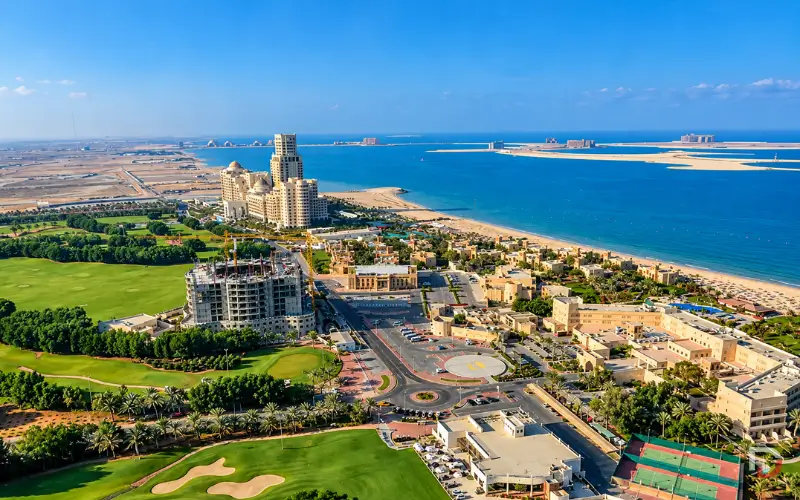
Al Nakheel is an urban complex that provides access to Al Nakheel shops, restaurants and daily services. Al Hamra and Al Marjan Island attract those who want to come to enjoy the seashore and stay at resort hotels or those who want to have accommodation directly at the water’s edge.
Decide base location – depending on the destination of your tour. While city living means you won’t have to travel far to eat at local restaurants or visit heritage sites, a resort hotel by the sea suits holidays about swimming and access to the beach and its facilities.
Jebel Jais is out of sync with planning, as you are driving up to the mountain. If you are travelling to early activities, check the drive from the hotel before you book activities, particularly if booking them early in the morning.
Also Explore: Prayer Times in UAE Today
History and Heritage
Ras Al Khaimah grew up over a century-long tradition of fishing, pearling and sea-trade. Alongside coastal communities’ nutritive existence on the sea, merchants linked the local towns and cities with trading networks reaching to the Gulf and beyond. Julfar became an important trading centre in the region’s history.
Evidence of this historic past includes archaeological finds, the old forts and the remaining traditional buildings. The Department of Antiquities and Museums gives details on the archaeological heritage and historic sites of the emirate.
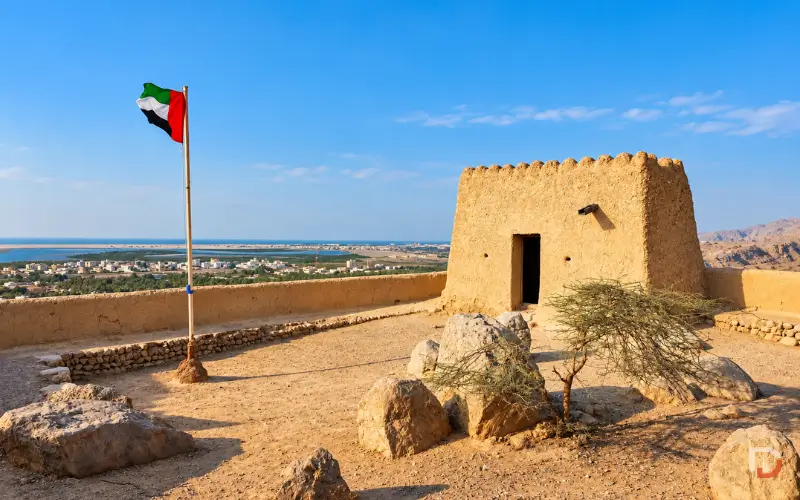
Dhayah Fort has been built on high ground to show that in earlier times fortifications such as this would have protected the houses and businesses in this area. The ruins of a traditional coastal settlement connected to fishing and pearling are retained at Al Jazeera Al Hamra. There remains some evidence of its former life in its buildings and not very wide lanes, which allow a closer view into the lives of old-time people who lived and worked along the coast.
The place is a good contrast to the modern residential districts and the big resorts of the emirate itself. Those fascinated by the local history can make a one-stop trip and enjoy a day on the coast on a more or less formal basis, depending on the season and access requirements.
Weather and Best Time to Visit
Ras Al Khaimah has a hot, arid climate. Winter generally brings milder conditions, while summer temperatures rise sharply and coastal humidity can make outdoor activities uncomfortable. The weather can also differ between the shoreline and the higher elevations around Jebel Jais.
Your preferred activities should determine when you visit. A resort holiday may remain manageable with plenty of time indoors or beside the pool, whereas walking around historic sites or spending hours outdoors requires more careful timing. Check the official tourism website’s weather page alongside the forecast for your actual travel dates.
Winter: December to February
Winter generally offers comfortable conditions for sightseeing and outdoor recreation. Visitors can spend more time exploring heritage sites, walking along the coast and driving towards the mountain viewpoints without facing the intense heat of summer.
School holidays and popular travel periods can increase demand for hotels and organised activities. If you have a particular resort, guided tour or adventure experience in mind, check availability before confirming the rest of your plans.
Spring and Autumn
Temperatures begin climbing during spring as summer approaches. October and November usually bring a gradual return to more manageable outdoor conditions after the hottest months.
These periods can work well for a trip that combines beach time with sightseeing. Plan walks and visits to exposed attractions for early morning or late afternoon when practical, and check the forecast before setting out. Seasonal patterns provide a general indication, but actual conditions can vary.
Summer: June to September
Summer heat can make lengthy outdoor excursions difficult, particularly around midday. High temperatures and humidity near the coast may leave visitors uncomfortable after relatively short periods outside.
You can still visit during these months by keeping the schedule flexible. Shorter outdoor stops, indoor attractions and hotel facilities can help you manage the heat. Carry drinking water, use suitable sun protection and follow safety advice from attraction operators.
Mountain areas also require preparation during summer. Do not assume that Jebel Jais will always have comfortable conditions simply because it sits at a higher elevation. Check the local forecast, road notices and activity status before making the journey.
Best Things to Do
Ras Al Khaimah suits visitors looking for mountain scenery, coastal relaxation, historical sites and family outings. Rather than trying to cover every attraction in one day, choose a few stops that work together geographically. This leaves more time to enjoy each place and reduces unnecessary driving.
Visit Jebel Jais
Jebel Jais forms part of the Hajar Mountains and ranks among the emirate’s best-known natural attractions. The mountain road passes through rugged terrain, with designated viewpoints where visitors can stop and take in the surrounding landscape.
For visitors who prefer organised activities, the tourism authority promotes experiences such as Jais Flight, Jais Sky Tour and Jais Sledder. Each offers a different way to experience the mountain, but participation may depend on age, height, weather and other operating requirements.
Check the official tourism website for activity information and booking details. Weather, maintenance and operational decisions can affect availability, so confirm the status before leaving your hotel.
Allow enough time for the uphill drive, the activity itself and the return journey. Comfortable footwear, drinking water and sun protection are useful if you intend to spend time outside the car at viewpoints or activity areas.
Enjoy the Beaches
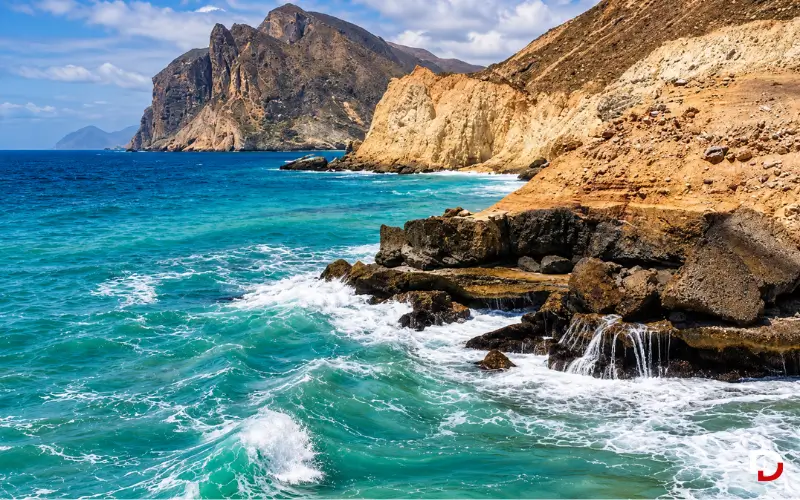
The coastline attracts visitors who want to swim, relax on the sand or have a meal beside the water. However, beach access differs from one place to another. Some stretches are open to the public, while others belong to resorts or operate under specific entry arrangements.
Check the facilities before choosing a beach. Parking, changing rooms, lifeguards, restaurants, and other amenities are not guaranteed at every site. Resort beaches may also require a day pass or reservation.
Sunset can be a pleasant time to visit the coast, especially if you plan to combine a beach stop with dinner. When swimming, follow the beach flags, warning signs, and lifeguard instructions, and pay attention to changing weather conditions.
Also Explore: Gold Rate in UAE Today
Explore Al Jazeera Al Hamra
Al Jazeera Al Hamra preserves the remains of a traditional coastal settlement shaped by fishing, pearling and trade. Its older buildings and narrow lanes provide a view of local life before modern development transformed much of the coastline.
The site suits visitors who want to see the emirate’s historical side beyond its resorts and shopping areas. Take time to examine the surviving architecture and read any historical information provided on site. Avoid touching or damaging fragile structures.
If you plan to visit other attractions on the same day, confirm the site’s access arrangements first. You can then fit it into a route that allows enough time for the drive and the visit itself.
Visit Dhayah Fort
Dhayah Fort occupies a hilltop position in the emirate’s northern landscape. Its elevated setting explains much of its historical importance and provides views across the surrounding area.
The approach to higher viewpoints may involve steps and uneven ground. Wear shoes with a good grip, check the temperature before climbing, and allow extra time if you prefer a slower pace. Visitors with mobility concerns should confirm access conditions before travelling.
You can combine the fort with another nearby heritage attraction for a day focused on local history. Check the distance between stops rather than assuming that each site will take only a few minutes to reach.
Discover the National Museum
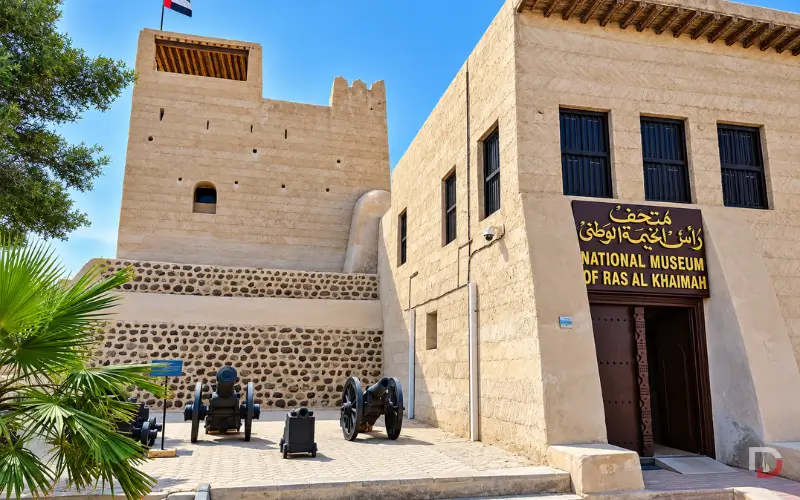
The National Museum of Ras Al Khaimah houses archaeological and ethnological collections linked to the emirate’s past. Its exhibits help visitors understand the communities, trade and everyday activities behind the forts and historic settlements found around the region.
The museum also provides an indoor alternative when outdoor sightseeing becomes uncomfortable. Check its latest opening hours, admission arrangements and any temporary closure notices before making it part of your itinerary.
Spend Time at the Waterfront
Al Qawasim Corniche offers space for a waterfront walk, a meal or a relaxed evening beside the water. It works well after a day spent travelling between attractions, particularly for visitors staying in or near the city.
Saqr Park provides green space for families and anyone looking for a break from busy roads and built-up districts. Check current entry arrangements and facilities if you are planning a visit with children.
Both places can fit into an evening schedule, depending on where you are staying and how you plan to travel. Allow enough time to return to your hotel after dinner, especially if you are relying on a taxi or public transport.
Try Local Experiences
Food, markets and activities connected with the emirate’s maritime history offer another way to experience the area. Suwaidi Pearl Farm, for example, introduces visitors to traditional pearl cultivation and explains its connection with the region’s heritage.
Desert excursions provide another option, but the experience depends on the operator and package you select. Before paying, confirm the duration, pickup arrangements, included activities, and cancellation conditions.
You do not need to fill every hour of a short stay. Pairing one local experience with a beach visit, mountain trip, or heritage stop can give you a varied itinerary without making the day feel rushed.
Ras Al Khaimah International Airport
Ras Al Khaimah International Airport (RKT) handles air travel to and from the emirate. Check the airport code when booking your flight because RKT is different from Dubai International Airport and Sharjah International Airport.
The airport’s public transport page provides transport information. Its complimentary bus service page also outlines shuttle connections to selected destinations in Dubai, Sharjah, Ajman and Umm Al Quwain.
The shuttle may reduce transfer costs for eligible passengers, but it might not take you directly to your hotel. Review the current timetable, route and stopping points, then arrange transport for the remaining part of the journey if necessary.
Use the airport’s official website to check passenger services and travel information. Confirm your transfer before departure, particularly if you expect to arrive late or need to connect with another service.

How to Travel from Dubai
Road travel is a common way to reach Ras Al Khaimah from Dubai. Your journey time will depend on your starting point, destination, traffic, and choice of transport.
The official Ras Al Khaimah facts page gives an approximate distance of 79 kilometres between Dubai and the emirate. Treat this as a general reference rather than an exact door-to-door distance, since your route and final destination will affect the total.
| Transport option | Best suited to | Details to confirm |
|---|---|---|
| Private car | Flexible trips with several stops | Route, traffic and parking |
| Taxi or ride-hailing | Direct travel without driving | Fare estimate and pickup |
| Public bus | Travellers keeping costs down | Current route, fare and departure point |
| Airport shuttle | Eligible airport passengers | Stops, timetable and service conditions |
| Organised excursion | Visitors booking a planned activity | Transfers and package inclusions |
Travelling by Car
A car gives you greater control over your schedule, especially if you want to visit several attractions across the city, coastline and mountains. You can choose your departure time, stop for meals and adjust the route if your plans change.
Check traffic and directions before leaving. If you intend to drive into the mountains, review road conditions and any official restrictions. Certain off-road excursions may require a four-wheel-drive vehicle, although many popular attractions are accessible via ordinary roads.
Planning stops by area can also save time. Grouping nearby attractions means less backtracking and more time to spend at the places you want to see.
Public Transport
Public transport can be a more economical option than hiring a car, but it may not provide direct access to your hotel or every attraction. Intercity services and local transport can use different departure points and follow separate schedules.
Check the latest information through Visit Ras Al Khaimah and the RAK Transport Authority. Confirm the return service before travelling, especially if you plan to visit somewhere outside the main urban area.
If your itinerary includes several distant stops, compare public transport with taxi fares, car rental and organised excursions. Additional transfers can increase both the cost and the time required for a journey.
Taxi and Transfers
Taxis can simplify airport transfers, hotel journeys and trips where you prefer not to drive. Check the estimated fare and confirm the pickup point before starting the journey.
For a full day of sightseeing, compare the cost of separate taxi rides with car rental or an organised tour. Some hotel packages include transfers, but check the pickup times, service area and extra charges before relying on them.
Where to Stay
Your accommodation should match the main purpose of your trip. A city hotel gives you easier access to restaurants, shops and everyday services, while a coastal resort suits visitors who want to spend much of their stay at the beach, pool or hotel facilities.
Al Hamra and Al Marjan Island offer coastal accommodation options. If Jebel Jais is high on your list, remember that reaching the mountain still requires a road journey, even when your hotel sits beside the coast.
Compare the total cost of your stay rather than looking at the room rate alone. Meals, resort fees, transport, and activity transfers can all affect your budget. A cheaper room may not offer much saving if it leaves you paying for long taxi journeys throughout the trip.
Read the booking terms before making payment. Check cancellation conditions, included meals, beach access, check-in requirements, and additional charges. Confirm current prices and availability with the hotel or a reputable booking platform.

One-Day and Two-Day Itineraries
One-Day Visit
With only one day available, choose one main attraction and plan the rest of the schedule around it. You could visit a heritage site in the morning, stop for lunch in the city, and spend the late afternoon walking beside the waterfront.
If Jebel Jais is your priority, set aside enough time for the mountain drive and your chosen activity. Include the return journey before deciding whether another stop will fit. Trying to combine the mountains, several heritage attractions and distant beaches can leave you rushing through every visit.
Check opening hours, the weather and booking requirements before leaving. A shorter schedule with time to enjoy each stop will usually work better than an ambitious list that leaves little room for delays.
Two-Day Visit
Two days allow you to explore more than one part of the emirate without packing everything into a single schedule. You could spend the first day around the city and coastline, then reserve the second for Jebel Jais, a heritage attraction, or a booked outdoor experience.
Choose the order according to your accommodation and transport arrangements. Check journey times before setting off, particularly when your plans involve places in different areas.
Keep some flexibility in your schedule for a late meal, a change in weather or a delayed transfer. This is especially helpful when you plan to drive through the mountains or take part in an activity that depends on operating conditions.
Practical Travel Tips
A few checks before departure can make the trip easier:
- Check the forecast and attraction operating status before setting out.
- Carry drinking water, sun protection and suitable footwear for outdoor activities.
- Confirm admission arrangements and opening hours for museums and heritage sites.
- Follow local rules and dress respectfully at religious and cultural sites.
- Check public transport schedules and return services if you are not driving.
- Follow safety instructions at beaches, mountain viewpoints and adventure attractions.
Allow time for meals and rest, particularly when travelling with children or older family members. If anyone in your group has limited mobility, contact attractions beforehand to ask about steps, walking distances and accessible routes.
Plan Your Visit
First, decide what you would like to see, whether it is a trip to Jebel Jais, a visit to a historical settlement, or spending an evening by the water. The time you have available, your accommodation, and your means of transport will determine how many places you can comfortably visit.
Before setting off, check official tourism and transport websites for current schedules, travel arrangements, and the availability of activities. A realistic itinerary allows you to spend quality time at each location and truly enjoy the experience; it also makes it easier to adjust your plans should circumstances change.
Also Explore: Ras Al Khaimah Postal Code
Frequently Asked Questions
Is Ras Al Khaimah a city or an emirate?
Both names refer to different administrative areas. Ras Al Khaimah city is the capital and main urban centre, while the emirate covers a wider area that includes coastal communities, mountains, desert landscapes and other settlements.
What is the area known for?
Jebel Jais, beaches, historic forts, traditional settlements and outdoor activities are among its main attractions. The emirate also has a long history of maritime trade, fishing and pearling.
How far is it from Dubai?
The official Ras Al Khaimah facts page gives an approximate distance of 79 kilometres between Dubai and the emirate. Your actual journey will depend on your departure point, destination and traffic conditions.
What is the best time to visit?
December to February generally brings more comfortable weather for outdoor sightseeing. Spring and autumn can also suit a visit, although you should check the forecast for your travel dates and planned activities.
Does the emirate have an international airport?
Yes. Ras Al Khaimah International Airport operates under the code RKT. Check your ticket carefully and arrange your onward transport before arriving.
Can you travel from Dubai by public bus?
Public transport options are available, but routes, departure points, fares, and schedules may change. Confirm the latest information with the relevant transport provider before travelling.
Is one day enough to explore the area?
One day can cover a few attractions if you choose stops that are reasonably close together. Two days give you more time to combine the coastline, heritage sites and mountain scenery without rushing.
Is Jebel Jais suitable for summer visits?
A summer visit may be possible when access and activities remain open, but heat and weather conditions require careful planning. Check the forecast and official activity notices before making the drive.
Are public beaches free?
Beach access depends on the site. Some beaches are open to the public, while resort beaches may charge an entry fee or require a day pass. Check the arrangements for your chosen beach before setting out.