




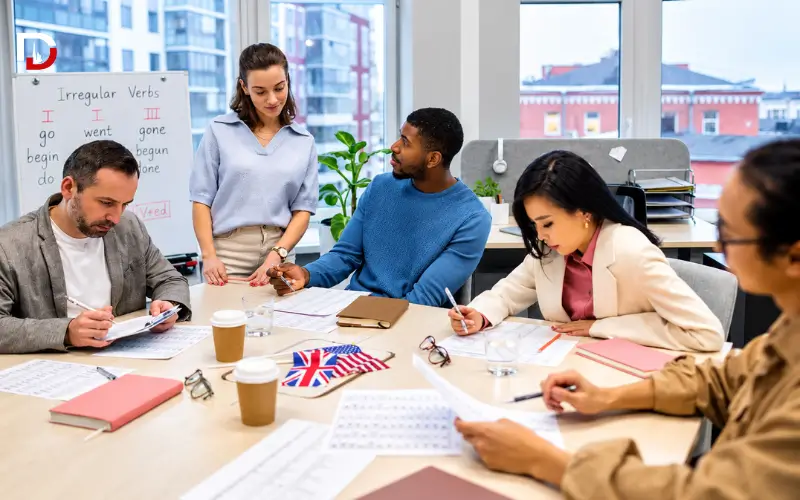
Dubai’s business environment brings together employees from diverse countries, cultures, and professional backgrounds; this diversity enables companies to leverage a wide range of perspectives, skills, and experiences. However, managing a multilingual workforce requires clear communication and consistent human resources practices.
Employees may differ in their approaches to communication, teamwork, providing feedback, navigating workplace hierarchies, and decision-making. Without clear expectations, these differences can sometimes lead to misunderstandings or difficulties within teams.
For companies in Dubai, effectively managing cultural diversity requires establishing common working standards while respecting employees’ diverse backgrounds. Below are practical HR strategies aimed at managing multilingual and multicultural teams.
1. Establish Clear Communication Standards
Clear communication should be one of the first priorities when managing a multilingual workforce.
Employees may have different levels of proficiency in the languages used within the workplace. Managers should therefore communicate instructions in simple and direct language and avoid unnecessary jargon.
Important information such as deadlines, responsibilities, company policies, and project requirements should also be documented. Written follow-ups after meetings can help employees confirm what was discussed and reduce the possibility of misunderstandings.
2. Define Common Workplace Expectations
Employees from different cultural backgrounds may have different expectations about punctuality, communication, workplace hierarchy, meetings, and feedback.
Rather than assuming that employees understand these expectations automatically, businesses should establish clear workplace guidelines.
These guidelines can cover:
- Working hours and attendance
- Meeting procedures
- Communication channels
- Reporting responsibilities
- Workplace behavior
- Performance expectations
- Feedback procedures
Clear standards give employees a common understanding of how the organization operates.
3. Provide Cultural Awareness Training
Managers and employees can benefit from cultural awareness training when working within diverse teams.
Training can introduce employees to different communication styles, approaches to collaboration, conflict management, and workplace expectations.
The purpose is not to make employees follow the same cultural practices. Instead, cultural awareness can help employees recognize differences and communicate with colleagues more effectively.
Managers can also benefit from training that helps them avoid assumptions when managing employees from different backgrounds.
4. Use Inclusive Communication Practices
Multilingual workplaces require communication methods that allow employees to understand important information clearly.
Managers can share meeting agendas before discussions and provide written summaries after important meetings. This gives employees an opportunity to review information and clarify any points they may have misunderstood.
Businesses should also consider whether informal conversations are excluding certain employees. For official workplace matters, using an agreed business language can make communication more consistent across teams.
5. Create Consistent HR Policies
Consistent HR policies are important when managing employees from different backgrounds.
Employees should understand how the organization handles areas such as leave, performance reviews, promotions, workplace conduct, complaints, and disciplinary procedures.
Applying the same policies and processes across the workforce can reduce confusion and provide employees with a clearer understanding of workplace expectations.
HR teams should also review their policies regularly to ensure they remain appropriate for the organization and applicable employment requirements.
6. Encourage Cross-Cultural Teamwork
Cross-cultural collaboration can be encouraged through everyday work activities.
Managers can create project teams that include employees from different backgrounds and encourage knowledge sharing between departments.
Working together on common projects allows employees to understand different approaches to problem-solving and collaboration.
Businesses can also encourage employees to share professional knowledge and experiences during team meetings or training sessions. This can help create opportunities for employees to learn from one another.
7. Make Meetings Easier to Follow
Meetings can become challenging when employees have different communication styles or language abilities.
Managers can make meetings more inclusive by sharing an agenda in advance and explaining the main objectives clearly.
During meetings, managers should avoid unnecessary technical terms and allow employees enough time to contribute. Important decisions, responsibilities, and deadlines should be summarized before the meeting ends.
A written record of key actions can also help employees understand what is expected after the meeting.
8. Develop a Structured Feedback Process
Feedback is another area where cultural differences can influence workplace communication.
Some employees may be comfortable receiving direct feedback, while others may prefer private and structured discussions.
A consistent feedback process can help managers focus on job responsibilities, performance expectations, specific observations, and agreed improvements.
Regular feedback can also give employees opportunities to raise concerns before they become larger workplace issues.
9. Address Workplace Conflicts Objectively
Cultural differences should not automatically be considered the reason for workplace disagreements.
When a conflict occurs, managers should focus on the specific issue, behavior, or communication problem involved. Employees should have an opportunity to explain their perspective before decisions are made.
A clear conflict-resolution process can help HR teams manage disagreements consistently.
Managers should also avoid making assumptions about employees based on their nationality, language, or cultural background.
10. Support Employee Development
Training and development can help employees build common workplace skills while supporting their individual career goals.
Businesses can provide training in areas such as communication, leadership, technical skills, teamwork, compliance, and role-specific capabilities.
Development plans should take into account the requirements of each position and the employee’s existing skills.
A structured approach can also help employees understand the skills and experience required for future responsibilities within the organisation.
11. Align Workforce Planning With Business Needs
As a business grows, workforce requirements can change. New departments may be created, existing teams may expand, and additional skills may become necessary.
HR teams should therefore review workforce requirements regularly instead of waiting until a staffing shortage develops.
Factors such as business growth, employee turnover, upcoming projects, new markets, and changing skill requirements can be considered when planning future workforce needs.
Businesses looking at their broader workforce requirements can also review workforce planning in the GCC for additional information on workforce planning considerations in the region.
12. Monitor Workforce and HR Metrics
HR data can help businesses understand how their workforce is developing.
Relevant metrics may include:
- Employee turnover
- Absenteeism
- Recruitment time
- Training participation
- Internal promotions
- Employee retention
- Performance trends
- Employee feedback
Reviewing these indicators can help HR teams identify recurring workforce issues and determine whether changes to existing policies or processes are necessary.
13. Provide HR Support as the Business Grows
Managing a multilingual workforce can involve recruitment, employee relations, workforce planning, training, performance management, and HR policy development.
Businesses with limited internal HR resources may require external support for specific HR requirements.
Working with an external HR provider can give businesses access to additional knowledge when developing workforce processes or addressing organizational requirements. Companies can explore HR consulting services from MGCG when they need support with broader HR and workforce management requirements.
Must Explore: Temu Coupon Code 2026
Final Thoughts
Managing multicultural teams in Dubai requires clear communication, consistent work processes, and an understanding of the diverse backgrounds of the workforce.
Companies need not eliminate cultural differences; instead, they can establish shared expectations that enable employees to collaborate while retaining their individual backgrounds and perspectives.
Clear communication standards, cultural awareness, structured feedback mechanisms, inclusive teamwork, consistent HR policies, and workforce planning can all contribute to improved team management.
As organizations grow, periodic reviews of human resources practices can help ensure that workforce management continues to support changing business requirements.