




A smooth driving experience can quickly become uncomfortable if an SUV begins to vibrate during acceleration or gear shifts. Transmission vibration is not merely a minor inconvenience; it may indicate wear or a malfunction within the drivetrain.
Transmission vibration signifies that the gearbox is failing to transfer engine power to the wheels smoothly. This issue can stem from degraded transmission fluid, a worn clutch, torque converter problems, or faults in the transmission control system.
Identifying the cause early helps prevent further damage and ensures the vehicle remains safe and comfortable to drive.
Common Causes Behind Transmission Shuddering
Transmission shuddering can come from several different parts working inside the gearbox. Modern SUVs have complex transmissions with many moving and electronic parts, so one small fault can affect the whole shifting process.
The vibration may happen only at certain speeds or when the vehicle changes gears. In some cases, it becomes more noticeable when the engine is under load. Finding the exact cause is important because treating only the symptom may not solve the main problem.
1. Old or Contaminated Transmission Fluid
Transmission fluid does more than lubricate the gearbox. It also helps control hydraulic pressure and keeps internal parts working smoothly. Over time, the fluid can become dirty or lose some of its useful properties because of heat and friction.
Contaminated fluid may prevent the clutch packs and other parts from working correctly. This can cause a shudder during gear changes or light acceleration.
If the fluid is very dark, has a burnt smell, or contains visible debris, the transmission may need professional inspection and service.
2. Worn Clutch Packs Can Cause Vibration
Many modern automatic transmissions utilize clutch packs to engage various gears. These components are subjected to friction whenever the transmission shifts gears; over time and with heavy use, the clutch material can wear down.
When a clutch fails to operate smoothly, repeated engagement and disengagement—or contact oscillation—may occur instead of steady, continuous contact; the driver perceives this as a recurring vibration or shudder.
The issue of clutch pack wear can worsen if the vehicle continues to be driven for an extended period without a thorough inspection and diagnosis.
3. Torque Converter Problems May Create a Shudder
The torque converter facilitates power transfer from the engine to the automatic transmission and allows the engine to continue running while the vehicle is stationary. Many modern units feature a lock-up clutch that engages to connect the engine and transmission more directly at specific speeds.
If this clutch engages unevenly, the SUV may experience vibration or shuddering during light acceleration or steady-speed driving—sensations that can sometimes resemble driving over small bumps in the road. A qualified technician can inspect the transmission to determine if the torque converter is the source of the issue.
4. Low Transmission Fluid Can Affect Gear Operation
A transmission needs the correct amount of fluid to create the pressure required for smooth operation. If the level becomes too low, the gearbox may struggle to engage its internal components properly.
This can result in delayed shifts, slipping, noise, or shuddering. Low fluid is often caused by a leak rather than normal fluid loss. Seals, pipes, connections, and the transmission housing should be checked if the level keeps dropping.
Driving with low fluid can increase heat and friction, which may lead to more serious internal damage. If an SUV begins shuddering repeatedly, getting it inspected early is a sensible step.
Drivers in the UAE can consult a professional service such as gearbox repair in Sharjah to identify whether the issue comes from fluid, clutch components, the torque converter, or the transmission control system.
5. Faulty Shift Solenoids Can Cause Harsh Changes
Modern automatic transmission systems utilize electronic solenoids to regulate fluid flow within the valve body; these small components assist the transmission in determining the timing and manner of gear shifts.
If a solenoid becomes clogged, weakens, or suffers an electrical malfunction, the transmission may fail to receive the correct hydraulic pressure, potentially resulting in harsh shifting or vibration during gear changes.
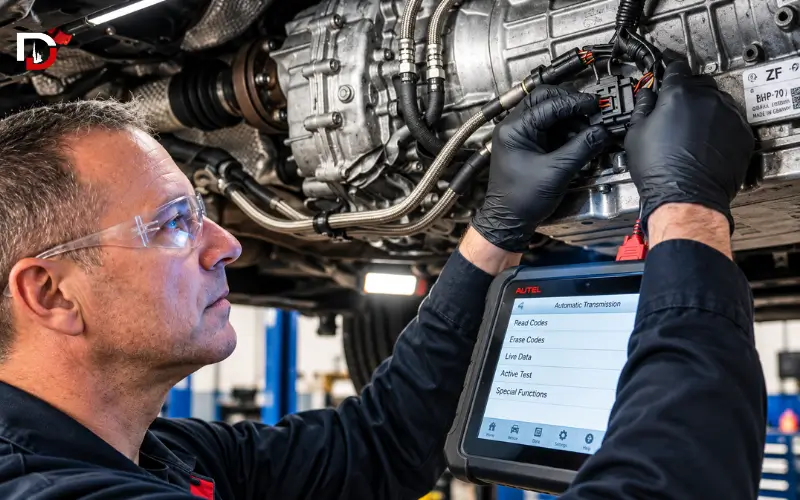
A diagnostic check may reveal a relevant error code; however, this code does not necessarily indicate a failure of the solenoid itself. Therefore, thorough testing is required before replacing any parts.
6. Valve Body Problems Can Affect Smooth Shifting
The valve body is an important part of an automatic transmission. It contains channels and valves that direct fluid pressure to different parts of the gearbox. If the valve body becomes worn or dirty, fluid may not move correctly.
The result can be delayed engagement, rough gear changes, or repeated shuddering. Modern SUVs can be more sensitive to these issues because their transmissions use precise pressure control. A professional inspection can help determine whether the valve body needs cleaning, repair, or replacement.
7. Transmission Overheating Can Increase Shuddering
Heat is one of the greatest threats to any automatic transmission. High temperatures reduce the transmission fluid’s ability to protect internal components. Factors such as traffic congestion, heavy loads, towing, and hot weather all increase the heat generated within the transmission.
When temperatures become excessive, gear shifting may lose its smoothness, and vibrations can occur. Four-wheel-drive vehicles used in hot regions are subject to additional thermal stress, particularly during prolonged periods of slow driving. Therefore, maintaining the cooling system and performing regular transmission maintenance helps mitigate these risks.
8. Worn Engine or Transmission Mounts Can Feel Similar
Not every vibration that feels like transmission shudder comes from inside the gearbox. Engine and transmission mounts hold the powertrain in place and help control normal movement.
When a mount becomes cracked or weak, the SUV may shake during acceleration or when shifting from Park to Drive. This can feel very similar to a transmission problem.
A proper inspection should therefore include the mounts as well as the gearbox. Checking related drivetrain parts can prevent an owner from paying for an unnecessary transmission repair.
When Does Transmission Shudder Usually Happen?
The timing of the vibration can provide useful clues; some SUVs experience vibration only during light acceleration, while others vibrate when shifting gears at low speeds. Issues with the torque converter may become apparent when driving at a constant speed as the lock-up clutch engages.
Conversely, problems involving the clutch or transmission fluid are often more noticeable when the vehicle starts moving or when shifting between lower gears. Therefore, drivers should pay attention to speed, engine RPM, road conditions, and the gear being used when the vibration occurs, as these details help technicians pinpoint the cause more accurately.
Can You Keep Driving With a Shuddering Transmission?
While slight shuddering does not necessarily mean the transmission is on the verge of immediate failure, this sign should not be ignored; if the vibration intensifies or recurs, continued driving could exacerbate wear and tear.
The situation becomes increasingly serious and urgent when accompanied by other warning signs, such as gear slippage, delayed transmission response, a burning odor, fluid leaks, or illuminated warning lights. Although avoiding heavy loads and aggressive acceleration may temporarily alleviate the strain, this does not constitute a solution or a repair for the underlying problem.
The safest approach is to have the SUV checked before the problem develops into a larger transmission failure.
How Can Regular Service Reduce Transmission Problems?
Regular maintenance helps protect the transmission from excessive wear. Using the correct fluid is crucial, as different gearboxes require specific types and specifications of fluid.
It is also important to adhere to the maintenance intervals recommended by the vehicle manufacturer, although these may need to be adjusted for harsh driving conditions. Additionally, drivers should check for leaks and remain attentive to any changes in transmission performance.
Smooth driving, correct fluid levels, and timely inspections can help reduce unnecessary stress on internal components. Good maintenance is usually much cheaper than repairing a badly damaged transmission.
Signs That a Shudder Needs Immediate Attention
Some transmission symptoms should not be left for later. A shudder that becomes severe, occurs during most gear changes, or appears together with other warning signs may indicate a serious fault. Drivers should arrange an inspection if they notice:
- Strong shaking during acceleration
- Delayed Drive or Reverse engagement
- Transmission slipping
- Burning fluid smell
- New grinding or whining sounds
- Transmission or check engine warning lights
- Fluid leaking under the SUV
- Sudden changes in gear selection
These signs can indicate that the transmission needs more than a simple fluid check.
Read More: Mumzworld Coupon Code UAE
Conclusion
Transmission vibration indicates that power transfer between the engine and the wheels is not occurring as smoothly as it should; various factors can cause such symptoms, including old or low transmission fluid, worn clutch packs, torque converter malfunctions, solenoid issues, valve body wear, overheating, and damaged mounts.
Since modern four-wheel-drive vehicles utilize complex transmission systems, guesswork can lead to incorrect repairs. Early diagnosis is the best approach; regular maintenance and prompt attention to any new vibrations help protect the transmission and prevent a minor issue from escalating into a major failure.